
The Brain and The Environment Family Night
Join us for The Brain and The Environment Family Night at the CUNY ASRC on Nov. 18 from 4:30 to 6:30 p.m. This fun and educational evening will explore how

Convening meetings, workshops, seminars, and public programs is a key part of the mission at the Advanced Science Research Center at the CUNY Graduate Center promoting collaboration between campus-based faculty, ASRC faculty, theorists, and experimentalists across New York City.
The ASRC offers event and meeting spaces that can accommodate up to 100 guests for your next conference, reception, meeting, workshop, film shoot, or private event.
Join us for The Brain and The Environment Family Night at the CUNY ASRC on Nov. 18 from 4:30 to 6:30 p.m. This fun and educational evening will explore how

Dynamics and Evolution of Glutamate Transporters Glutamate transporters in the human brain remove the neurotransmitter glutamate from the synaptic cleft, enabling repeated cycles of neurotransmission and preventing glutamate-induced excitotoxicity. These
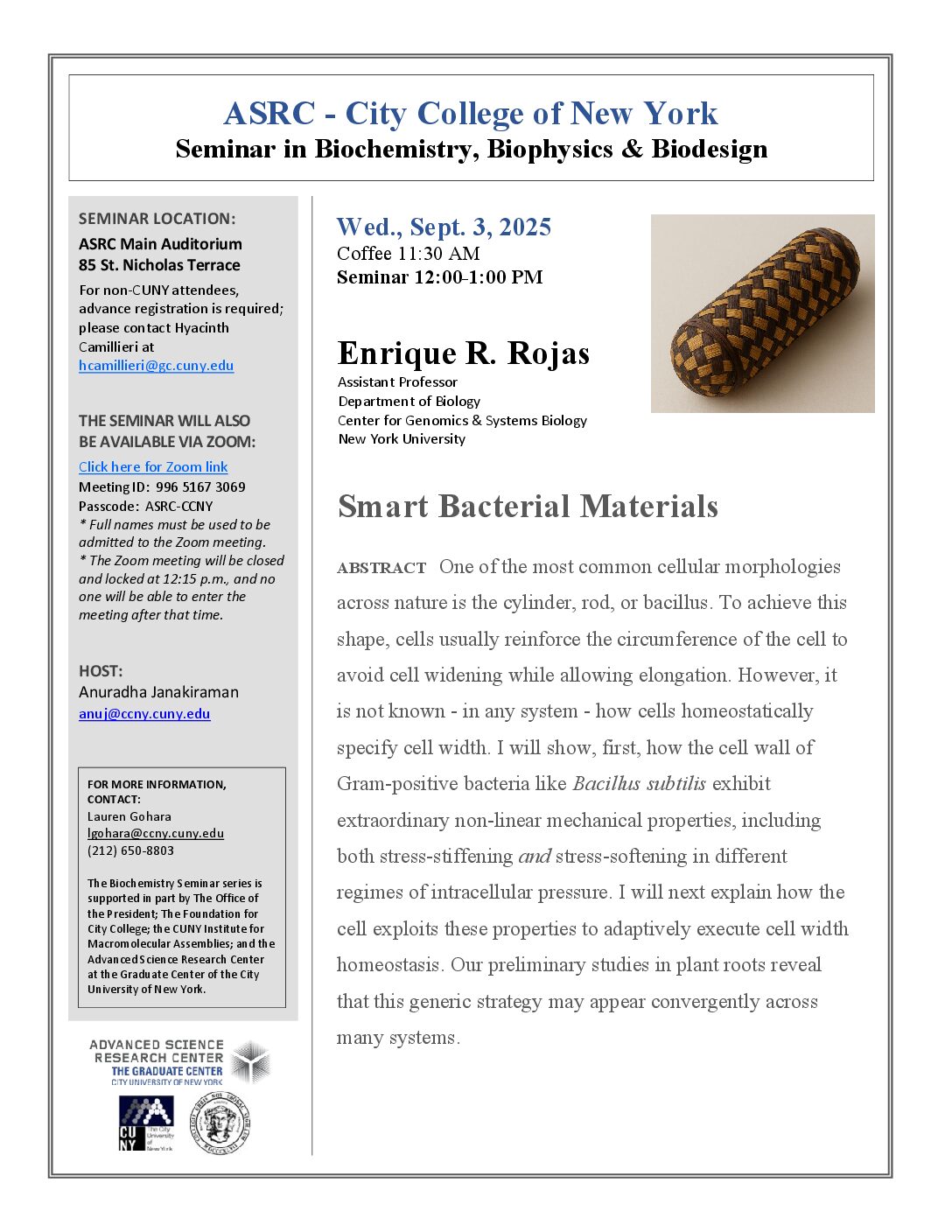
Structure, Dynamics and Assembly of Human Antimicrobial Protein Antimicrobial proteins in humans sequester zinc to curtail infection. Although well established as key components of the immune response, the mechanisms of

Join us on Tuesday, Dec. 16 to reconnect and learn all about what's happening at the CUNY ASRC! All are welcome — especially former and current students, interns, summer researchers,

Learn how academics can promote their research and make useful connections on Bluesky.
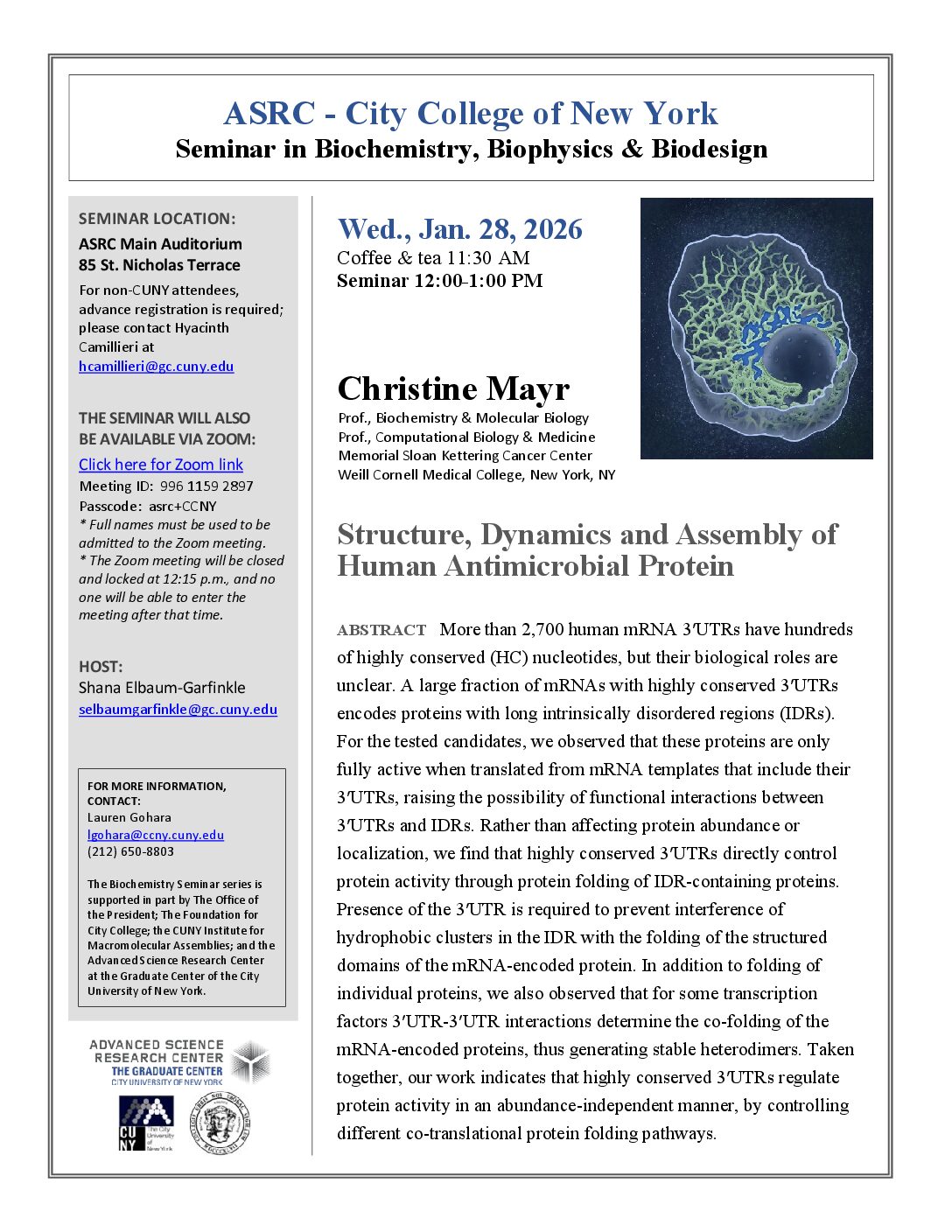
Structure, Dynamics and Assembly of Human Antimicrobial Protein More than 2,700 human mRNA 3′UTRs have hundreds of highly conserved (HC) nucleotides, but their biological roles are unclear. A large fraction
Join us for a practical, beginner-friendly workshop on how academics can use LinkedIn to showcase their expertise, expand professional networks, and increase the visibility of their research and teaching. This session will
How a novel class of protein misfolding is associated with changes in enzyme activity, proteostasis, aging, and disease Utilizing simulations, experimental data, and data science, my lab predicted the existence
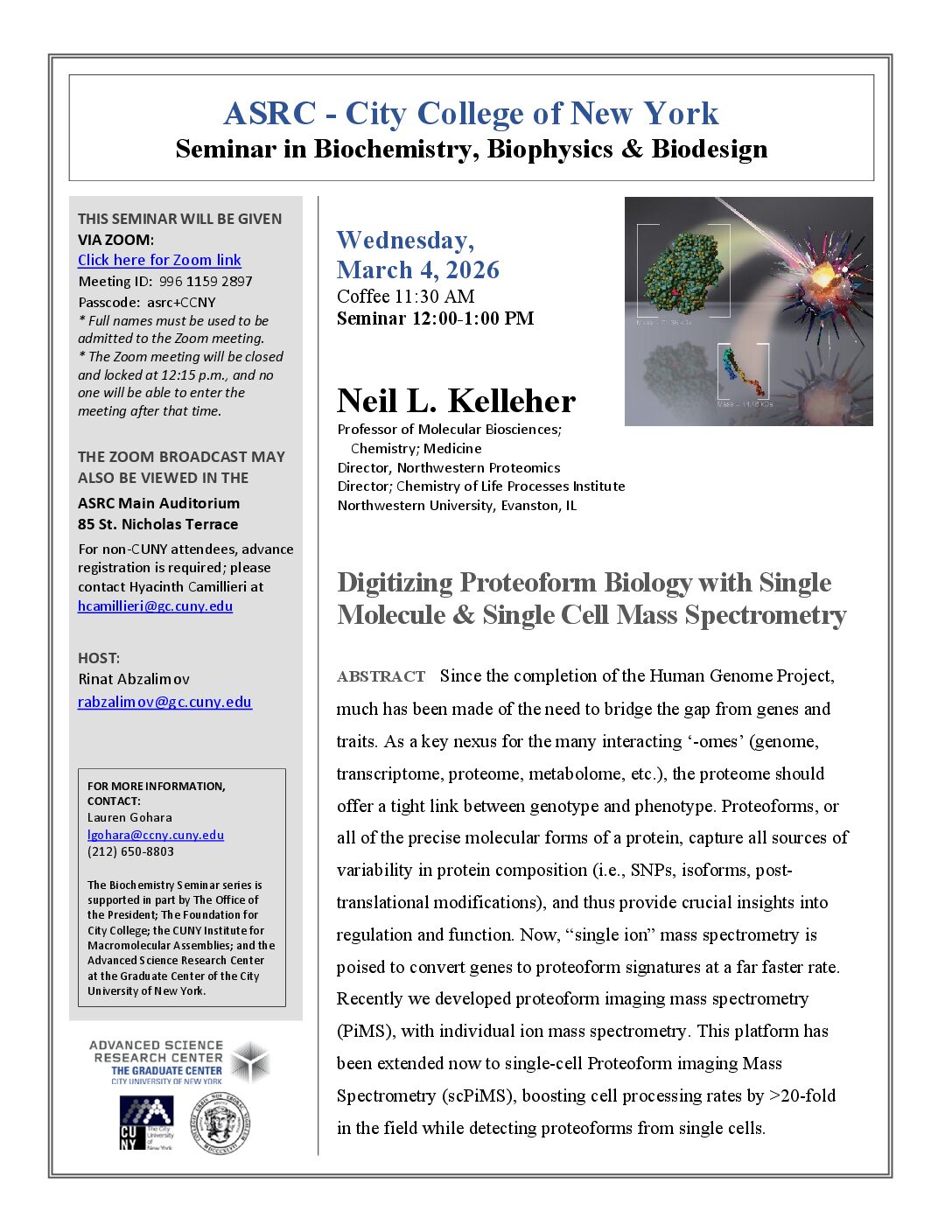
Digitizing Proteoform Biology with Single Molecule & Single Cell Mass Spectrometry Since the completion of the Human Genome Project, much has been made of the need to bridge the gap
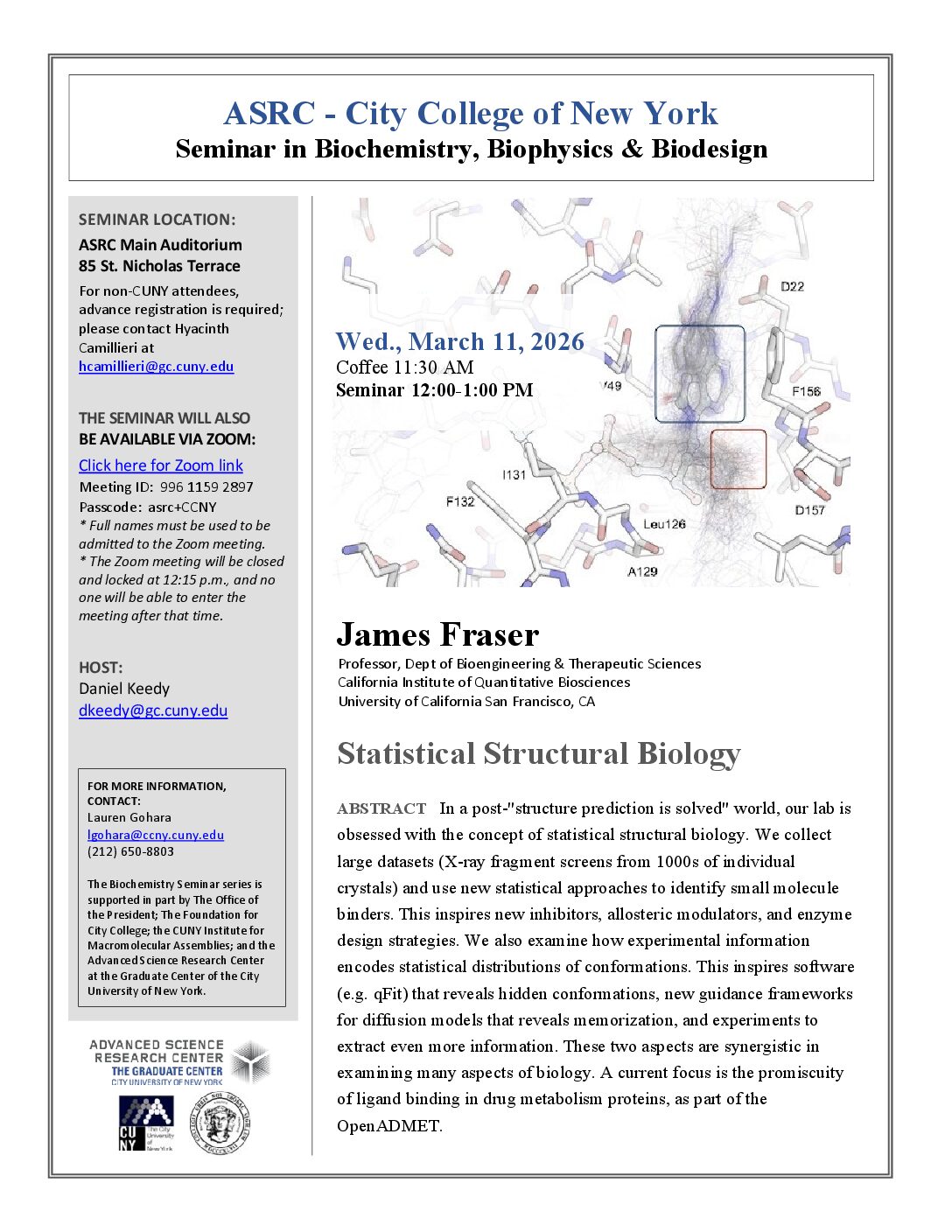
Statistical Structural Biology In a post-"structure prediction is solved" world, our lab is obsessed with the concept of statistical structural biology. We collect large datasets (X-ray fragment screens from 1000s
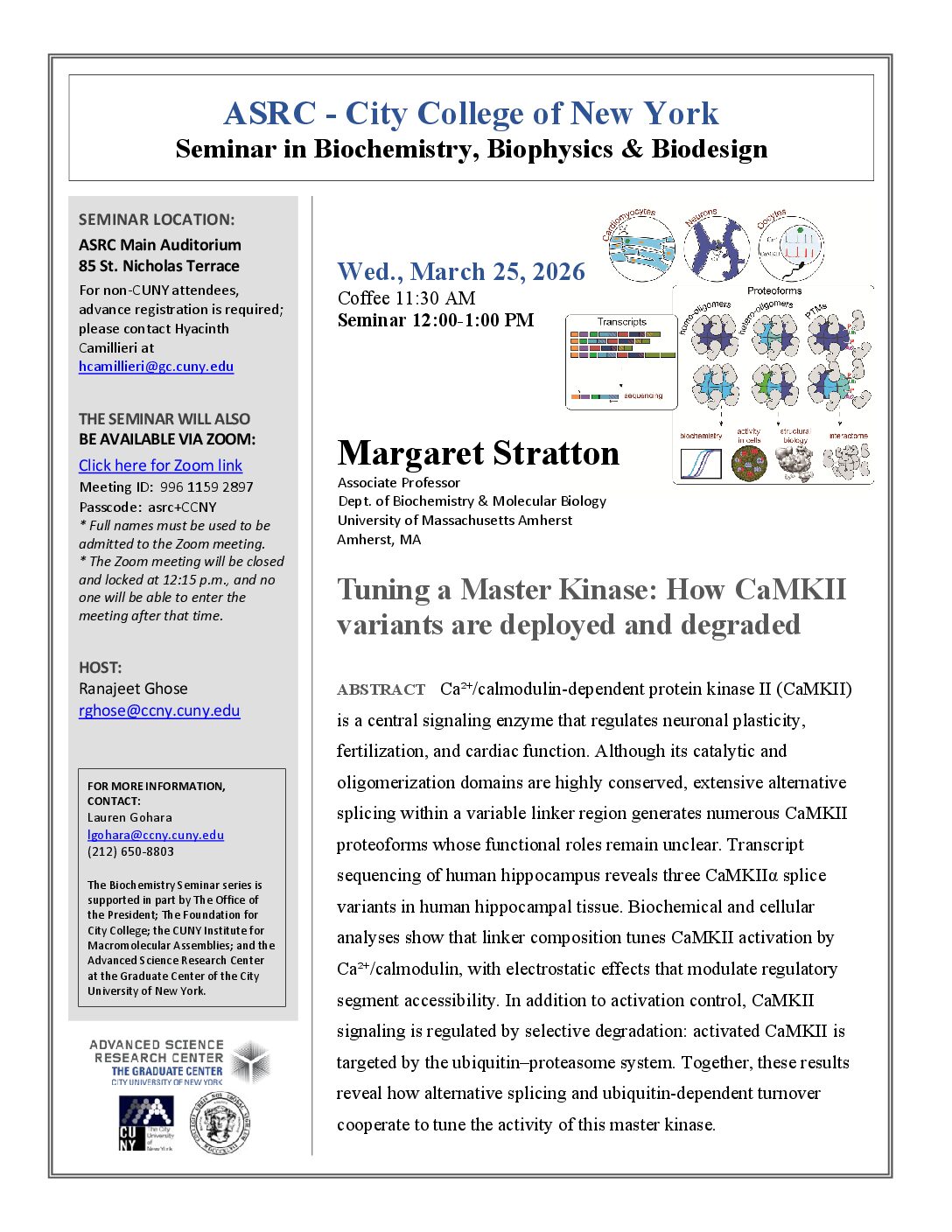
Tuning a Master Kinase: How CaMKII variants are deployed and degraded Ca²⁺/calmodulin-dependent protein kinase II (CaMKII) is a central signaling enzyme that regulates neuronal plasticity, fertilization, and cardiac function. Although
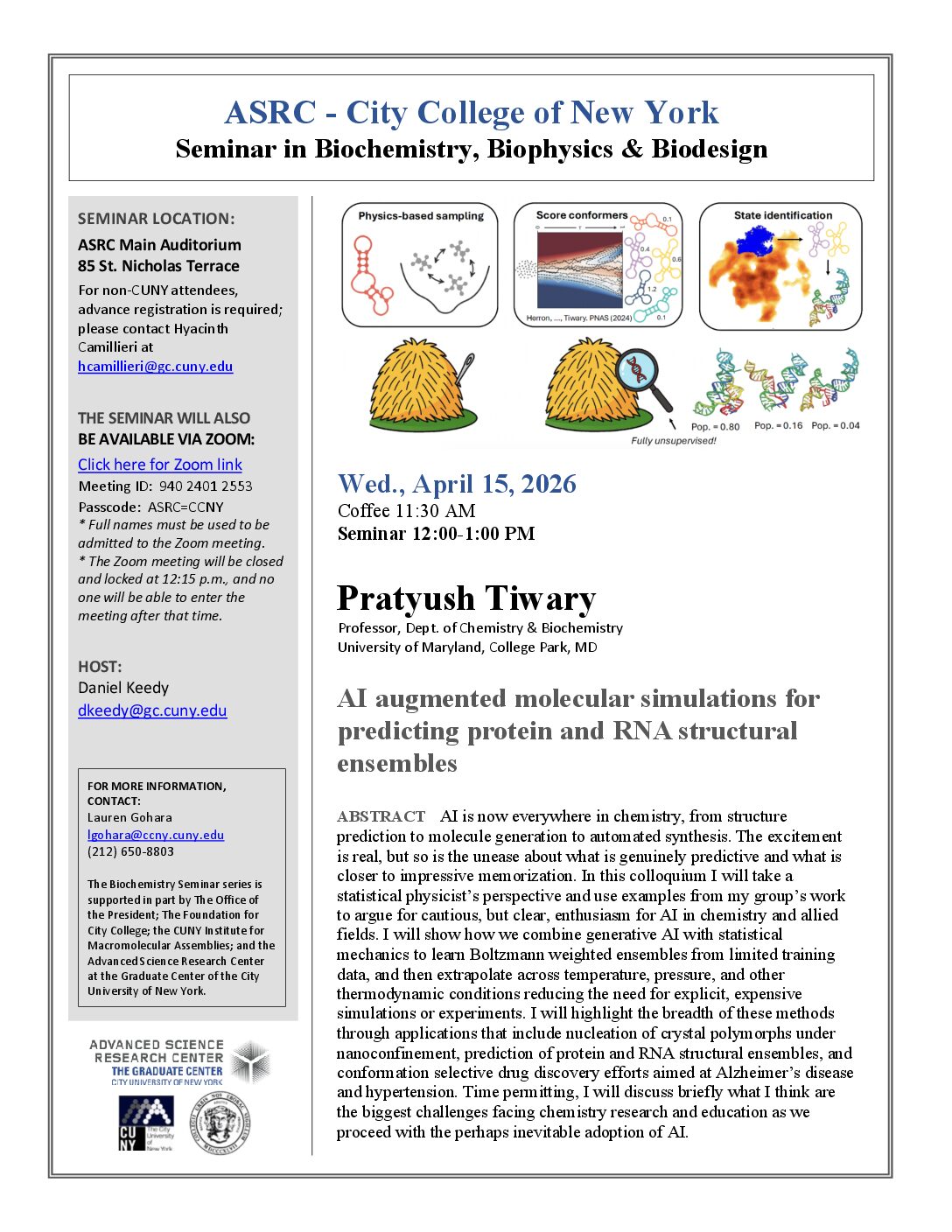
AI augmented molecular simulations for predicting protein and RNA structural ensembles AI is now everywhere in chemistry, from structure prediction to molecule generation to automated synthesis. The excitement is real,
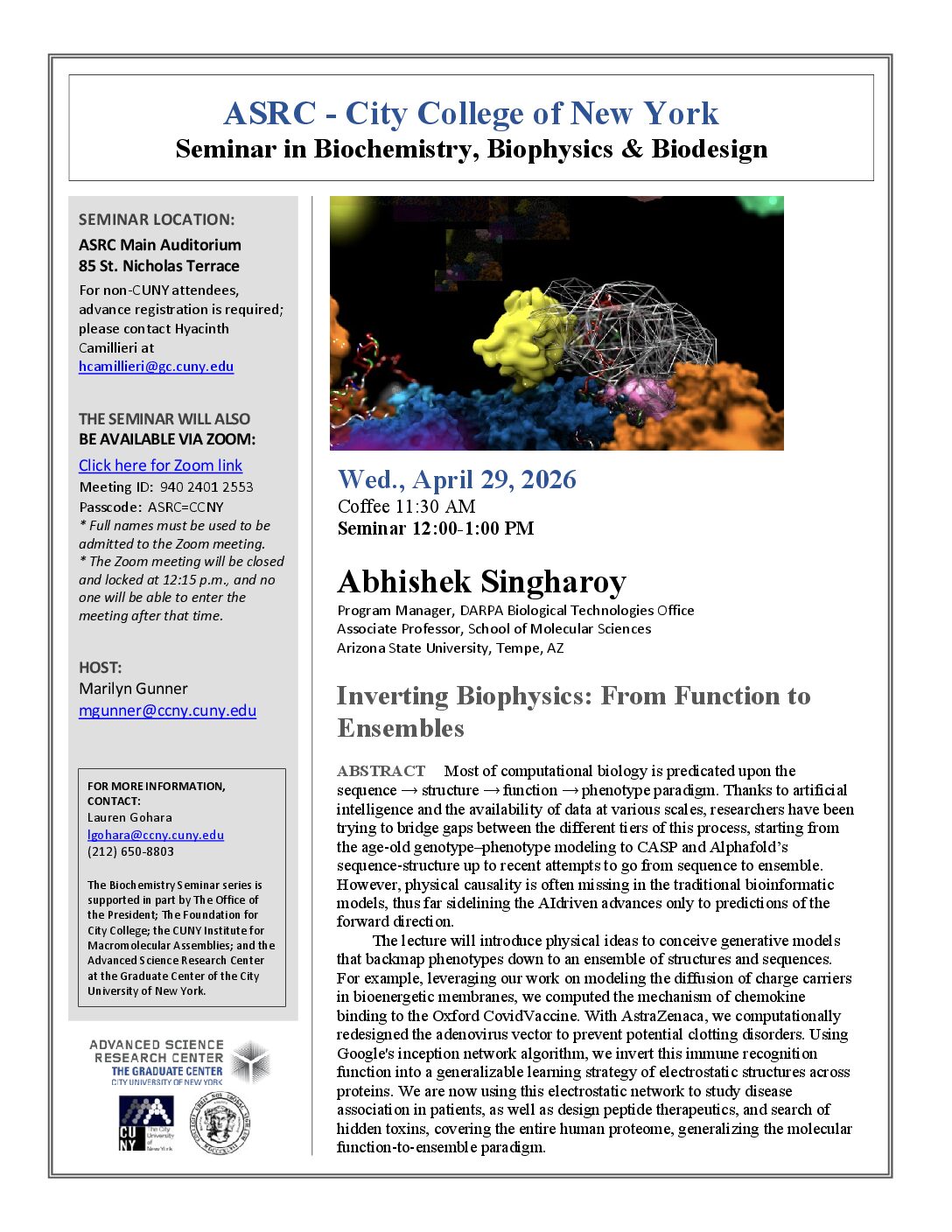
Inverting Biophysics: From Function to Ensembles Most of computational biology is predicated upon the sequence → structure → function → phenotype paradigm. Thanks to artificial intelligence and the availability of

Designing Programmable Biologics with Generative Sequence Models In this talk, I will share how my lab develops discrete generative models to design functional biologics for disease and bioremediation. Our work

Mechanism of Lipid Modulation in Ion Channels Membrane proteins are continuously exposed to the complex lipid environment of cellular membranes, yet how specific lipids regulate their function remains poorly understood.

Join us for the launch of At the Intersection of Science, Policy, and Community: The FloodNet NYC Community Engagement Strategy, a public-facing guide that shares the community engagement approaches, tools, and lessons developed through FloodNet NYC.