Seminar in Biochemistry, Biophysics, and Biodesign
Please use this link to access Zoom.
Convening meetings, workshops, seminars, and public programs is a key part of the mission at the Advanced Science Research Center at the CUNY Graduate Center promoting collaboration between campus-based faculty, ASRC faculty, theorists, and experimentalists across New York City.
The ASRC offers event and meeting spaces that can accommodate up to 100 guests for your next conference, reception, meeting, workshop, film shoot, or private event.
Please use this link to access Zoom.
Come to the first seminar in the ASRC Interdisciplinary Seminar Series on Monday February 10 at 1:00 pm. Featuring Research Associate Professor, Arno Thielens, who will speak on the Exposure of Insects to Radio-Frequency Electromagnetic
Fields
This seminar is in-person only, no Zoom link will be provided.
IEEE Distinguished Lecturers workshop If you plan to attend please register here: https://events.vtools.ieee.org/m/467009 Agenda 9:00 A.M. Welcome Remarks Arno Thielens & Andrea Alu (CUNY ASRC), Levent Sevgi (IEEE AP-S) 9:15 A.M. Novel EM Modeling, UQ, and Design Methodologies and Applications in Communications, Medical Imaging and Diagnostics, and Radar Meteorology Branislav Notaros (Colorado State University) 10:00
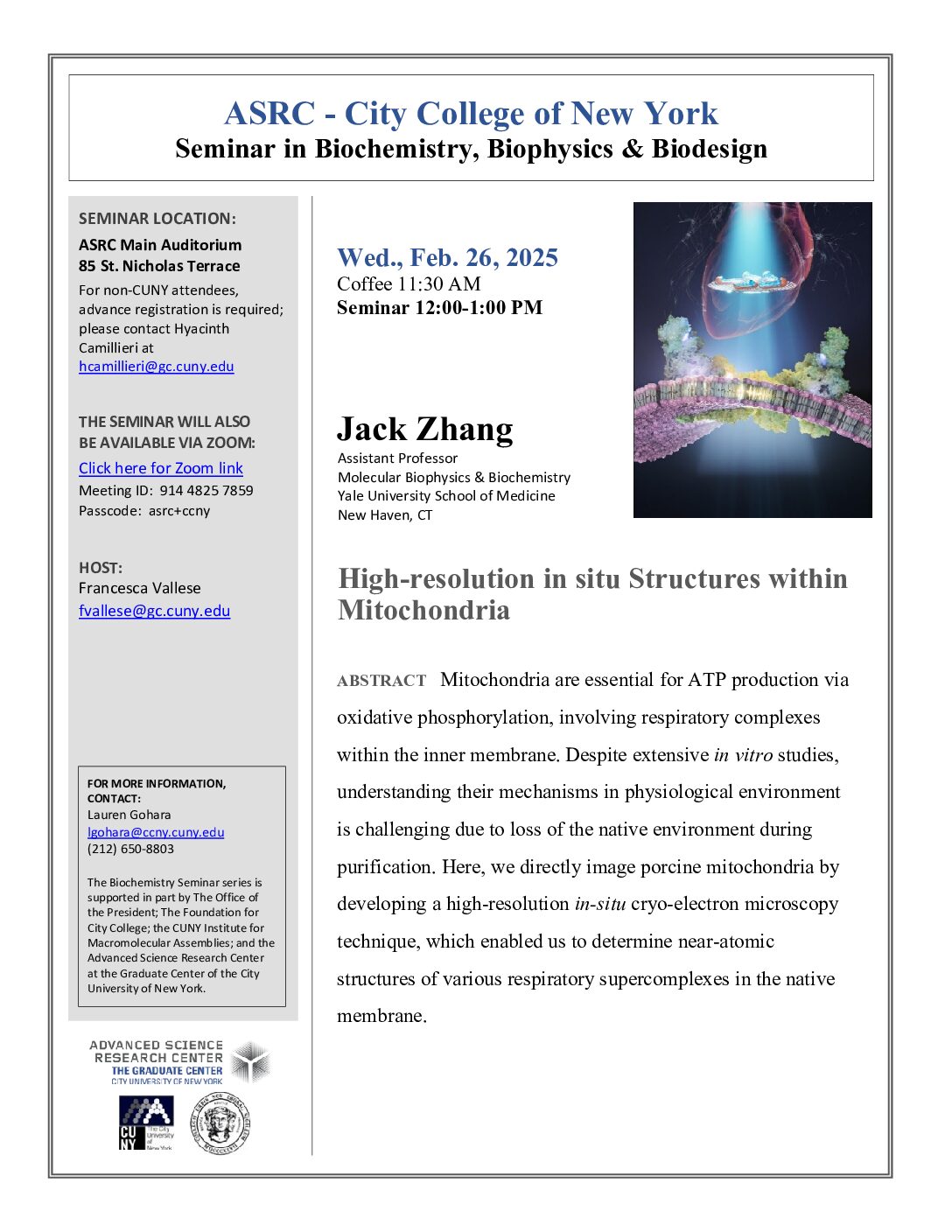
High-resolution in situ Structures within Mitochondria Mitochondria are essential for ATP production via oxidative phosphorylation, involving respiratory complexes within the inner membrane. Despite extensive in vitro studies, understanding their mechanisms in physiological environment is challenging due to loss of the native environment during purification. Here, we directly image porcine mitochondria by developing a high-resolution in-situ
Dr. Giuseppe Strangi (Case Western Reserve University) Thin-Film Photonics: Enabling Fano Resonances and Optomechanics Abstract – In recent years, significant interest has emerged in the inverse design1 of artificial layered heterostructures for photonic applications2. Specifically, the unique optical properties of near-zero permittivity (ENZ) metamaterials have enabled the exploration of novel physical effects and mechanisms. In
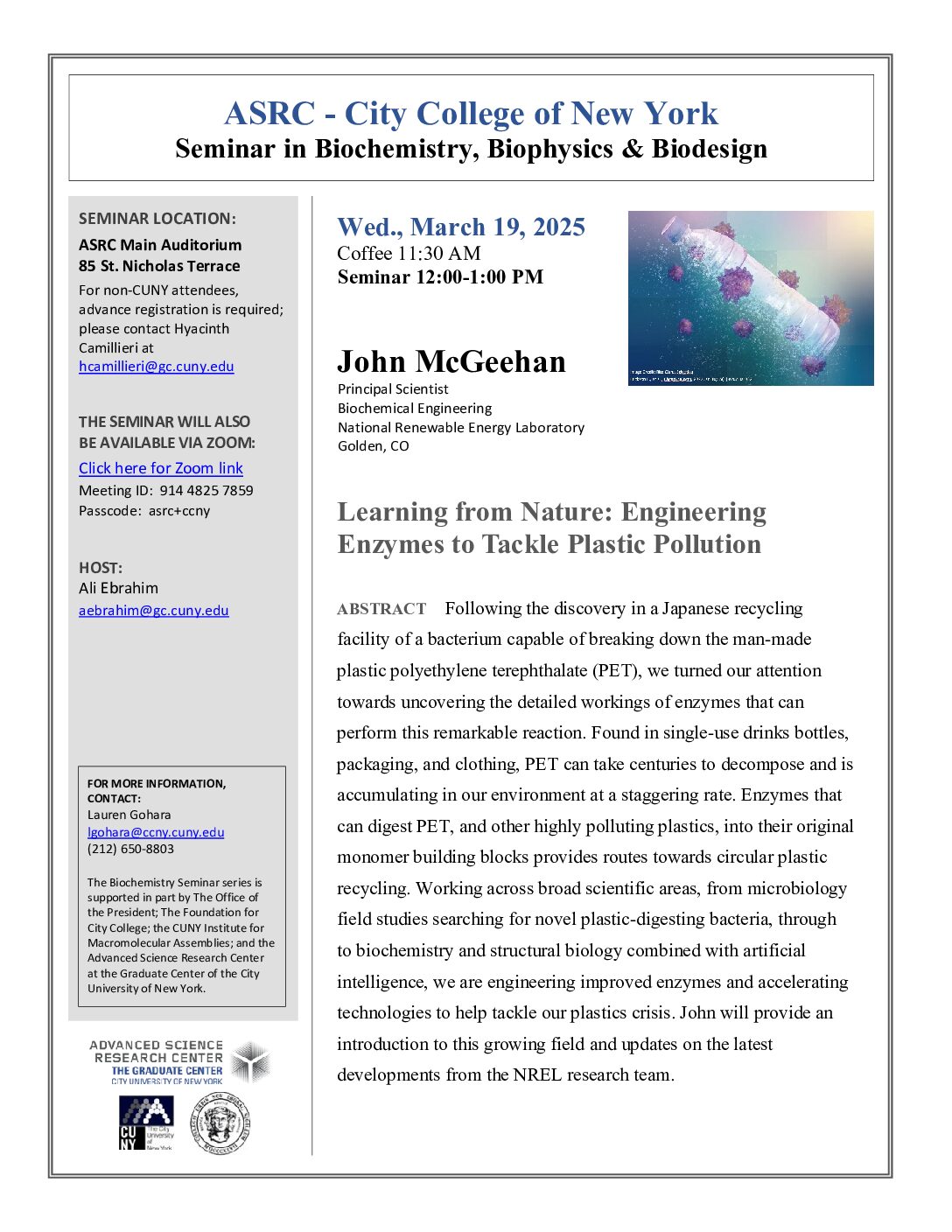
Following the discovery in a Japanese recycling facility of a bacterium capable of breaking down the man-made plastic polyethylene terephthalate (PET), we turned our attention towards uncovering the detailed workings of enzymes that can perform this remarkable reaction. Found in single-use drinks bottles, packaging, and clothing, PET can take centuries to decompose and is accumulating
Using Cellulose to Store and Harvest Energy Abstract: This talk will cover the use of cellulosic materials for the harvesting and storage of energy. The talk will cover the history of cellulosic materials used in both batteries and capacitors, introducing the use of nanocellulose, and carbon materials derived from this material for use as electrodes
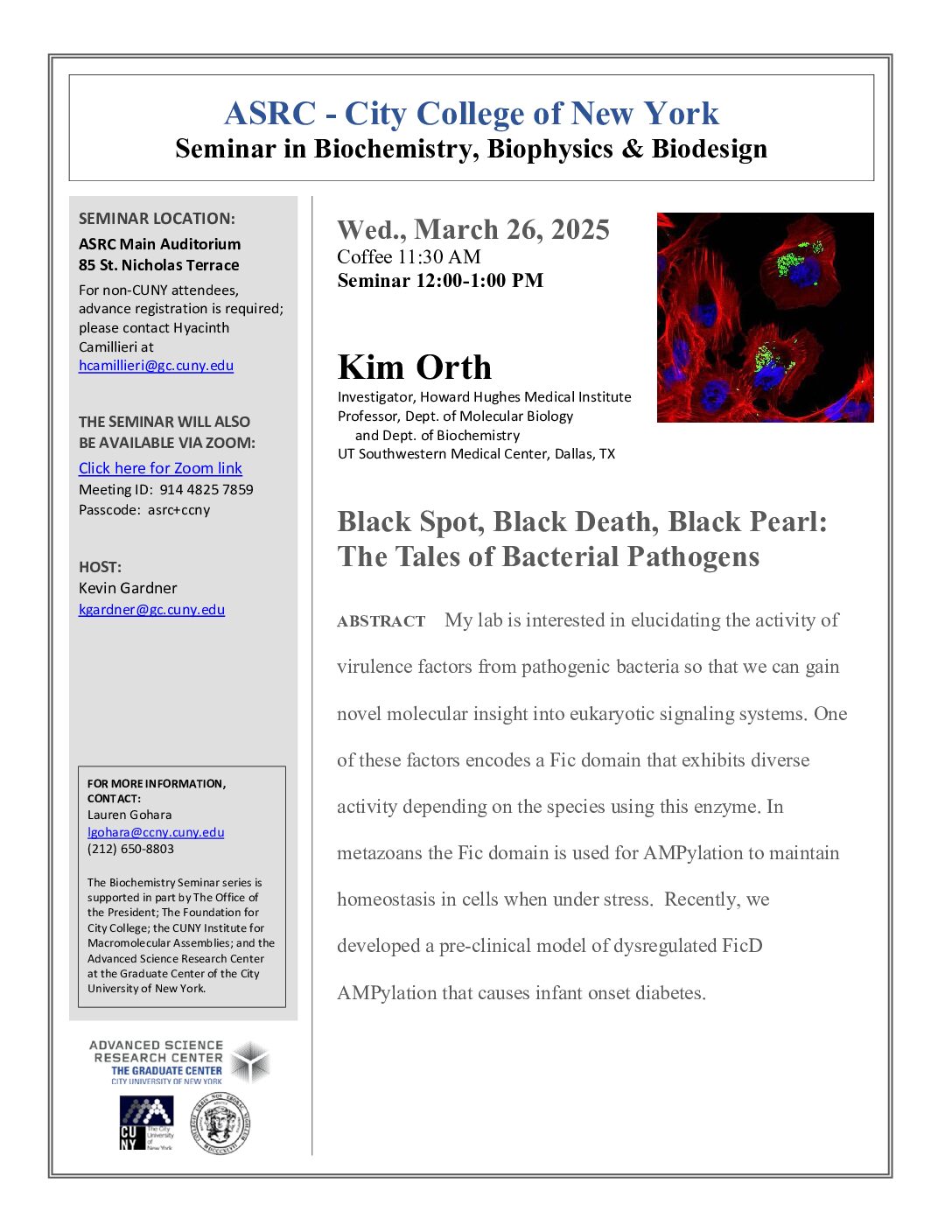
My lab is interested in elucidating the activity of virulence factors from pathogenic bacteria so that we can gain novel molecular insight into eukaryotic signaling systems. One of these factors encodes a Fic domain that exhibits diverse metazoans the Fic domain is used for AMPylation to maintain homeostasis in cells when under stress. Recently, we
Dr. Jacob Khurgin (Johns Hopkins University) Coherent Frequency Combs in Mid-Infrared and THz Produced By Self Frequency Modulated Quantum Cascade Lasers For many applications Optical Frequency Combs (OFCs) require a high degree of temporal coherence and thus narrow linewidth1 as well as wide bandwidth (i.e. many spectral lines. Commonly OFCs are generated in some nonlinear
Dr. Marc Serra Garcia (AMOLF) Physical computing in metamaterials Abstract - There is a significant range of physical phenomena—from nonlinear elasticity, to symmetry, noise, topology, and disorder — that are rarely utilized in traditional computing paradigms. Yet these phenomena can unlock new efficiencies, by directly processing signals in their natural domain, and by bypassing the
Armando Genco (Politecnico di Milano) Ultrafast dynamics of coherent exciton-polaritons in van der Waals semiconductor metasurfaces Abstract - Metasurfaces based on transition metal dichalcogenides (TMDs) have emerged as a promising platform for controlling light at the nanoscale due to their exceptional optical properties, including strong excitonic responses and intrinsically high refractive index. Unlike traditional dielectric metasurfaces,
Dr. Arthur D. Yaghjian (Electromagnetics Research) Robust Field-Based Antenna Quality Factor Abstract – New field-based quality factors Q(ω) are derived for antennas with known fields produced by an input current. These Q(ω) are remarkably robust because they equal the input-impedance bandwidth quality factor QZ(ω) when the input impedance is available. Like QZ(ω), the field-based Q(ω)

EvapoFlex: Water-responsive Materials for Evaporation Energy Harvesting Many important physiological functions of living organisms (e.g., plant seed dispersal, bacterial spore activation) rely on water-responsive (WR) materials that mechanically deform in response to changes in relative humidity. Recently, biological WR materials have been shown to generate significantly higher energy actuation compared to all known animal muscles
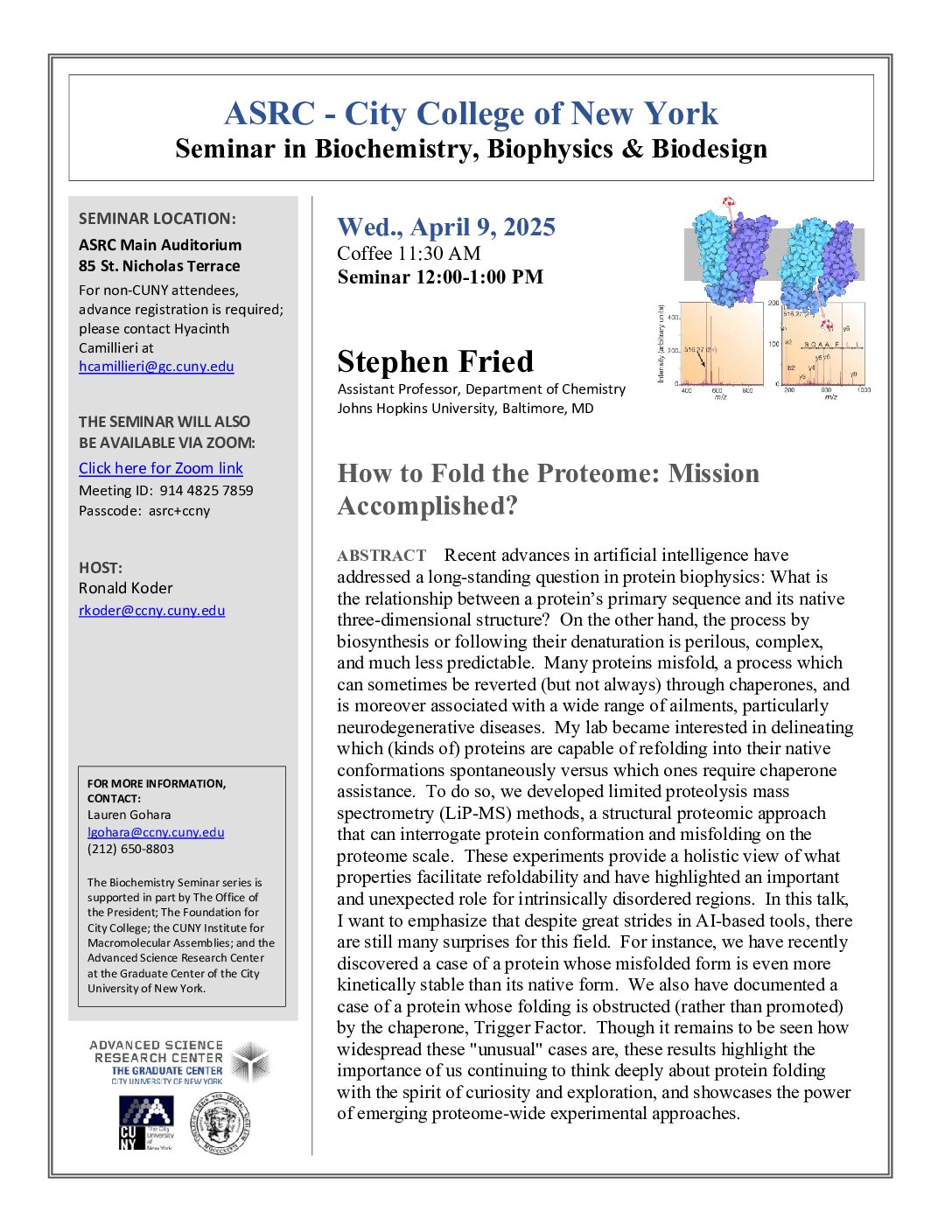
Abstract: Recent advances in artificial intelligence have addressed a long-standing question in protein biophysics: What is the relationship between a protein’s primary sequence and its native three-dimensional structure? On the other hand, the process by biosynthesis or following their denaturation is perilous, complex, and much less predictable. Many proteins misfold, a process which can sometimes
Dr. Weidong Zhou, Photonics Center, University of Texas at Arlington (UTA) Scaling towards high-power single-mode PCSELs and PCSEL Arrays (Photonic Crystal Surface-Emitting Lasers) Abstract When it was first invented 60 years ago, the laser was described as “A solution looking for a problem”. Few predicted that lasers would ultimately support multi-trillion-dollar photonics-enabled markets today. Based
Dr. Danial Motlagh, Xanadu Title: A Renaissance in Materials Discovery Abstract - Quantum computers have the potential to transform materials discovery for next-generation technologies from a slow and expensive trial and error process into a fast, cost-effective, simulation-driven endeavour. In this talk, I’ll share our vision for a quantum-accelerated materials discovery pipeline and the regimes
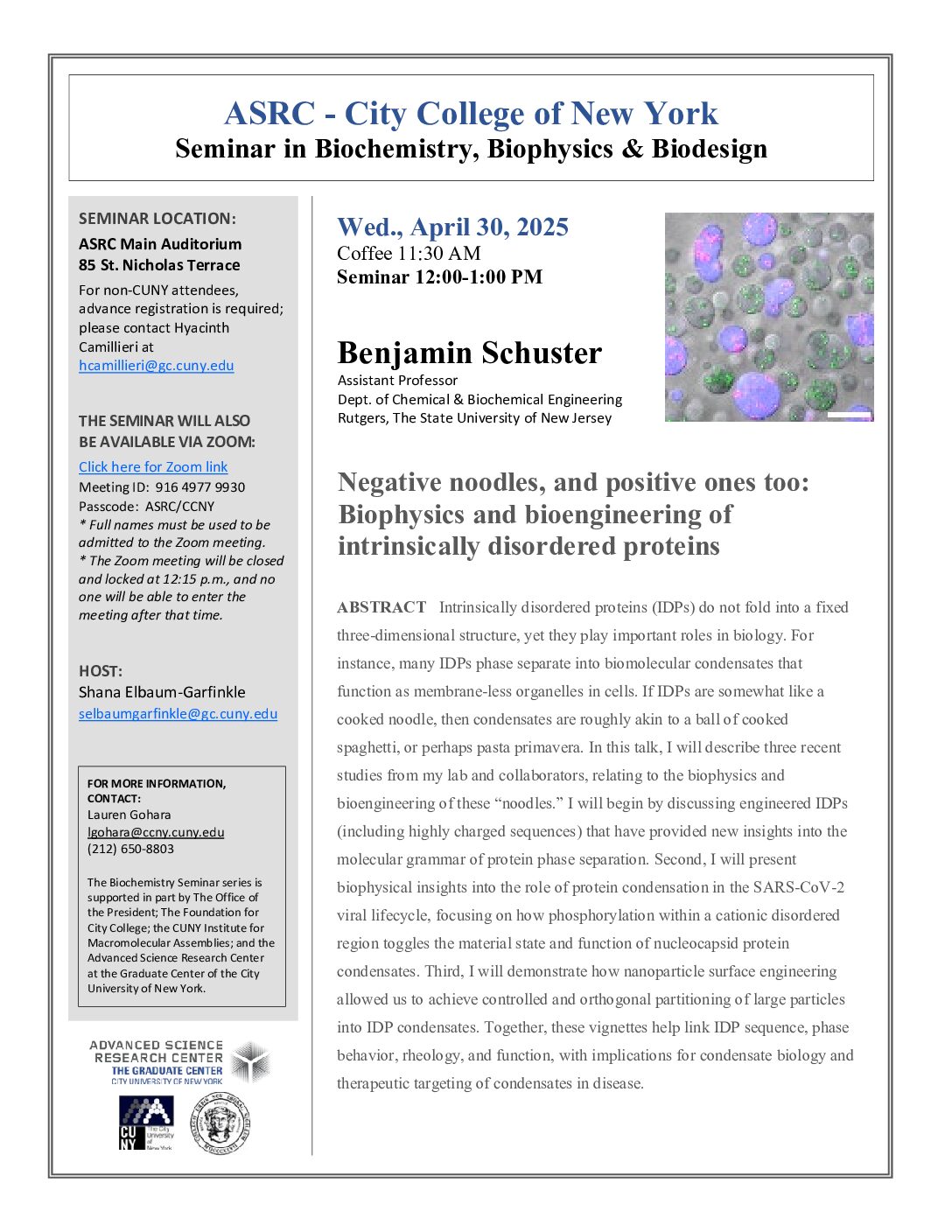
Negative noodles, and positive ones too: Biophysics and bioengineering of intrinsically disordered proteins Intrinsically disordered proteins (IDPs) do not fold into a fixed three-dimensional structure, yet they play important roles in biology. For instance, many IDPs phase separate into biomolecular condensates that function as membrane-less organelles in cells. If IDPs are somewhat like a cooked

Join us on Thursday, May 1 for an exciting talk with Annie Ciernia, Professor of Biochemistry and Molecular Biology at the University of British Columbia, titled “Early-life gut inflammation drives sex-dependent shifts in the microbiome-endocrine-brain axis.” The talk, hosted by Professor Pinar Ayata, is a part of the Neuroscience Initiative's Spring 2025 seminar series. Attend

A panel of judges (a science professor, a trained public liaison, and an undergraduate student) will give feedback to all participants, and cash prizes of up to $500 will be awarded! Sponsored by the Doctoral and Graduate Student Council, the GC Biology Department, and external donor funding. Hosted By Biology Doctoral and Graduate Students' Council
Dr. Andrea Fiore, Eindhoven University of Technology. Nanophotonics on the Tip of a Fiber Abstract - By transferring nanopatterned semiconductor membranes on the tip of optical fibers, we combine the power of nanophotonics with the flexibility of fiber sensing. In this talk I will discuss a variety of fiber-tip sensors of physical and biochemical parameters

Join us on Tuesday, June 10 at 10 a.m. for a one-day event designed for CUNY ASRC Epigenetics Core Facility users. If you are interested in the latest solutions and research applications of our single-cell gene expression platforms, this event will feature highly informative sessions, including updates on new applications from 10x Genomics and Genewiz,
Dr. Angel Rubio, Max Planck Institute Cavity Quantum Electrodynamics for Quantum Materials Design Angel Rubio Max Planck Institute for the Structure and Dynamics of Matter, Luruper Chaussee 149, 22761 Hamburg, Germany Initiative for Computational catalysis (ICC) and Center for Computational Quantum Physics (CCQ) Flatiron Institute, 10010 NY, USA Abstract - A central challenge in

Join us on Wednesday, June 4th for Ipek Selcen's Dissertation Defense Seminar! Attend in person at the CUNY ASRC Auditorium or via Zoom. Please refer to the flyer for more details.

Join us on Thursday, June 5 for an exciting talk with Rene Hen, Professor of Neuroscience at Columbia University, titled “The neural circuits underlying overgeneralization.” The talk, hosted by Professor Susana Mingote, is a part of the Neuroscience Initiative's Spring 2025 seminar series. Attend in person at the CUNY ASRC Auditorium or via Zoom at

Join us for a one-day event designed for ASRC Epigenetics Core Facility users interested in the latest solutions and research applications of our single-cell gene expression platforms. This event will feature highly informative sessions, including updates on new applications from 10x Genomics and Genewiz, as well as presentations from active users conducting cutting-edge research in
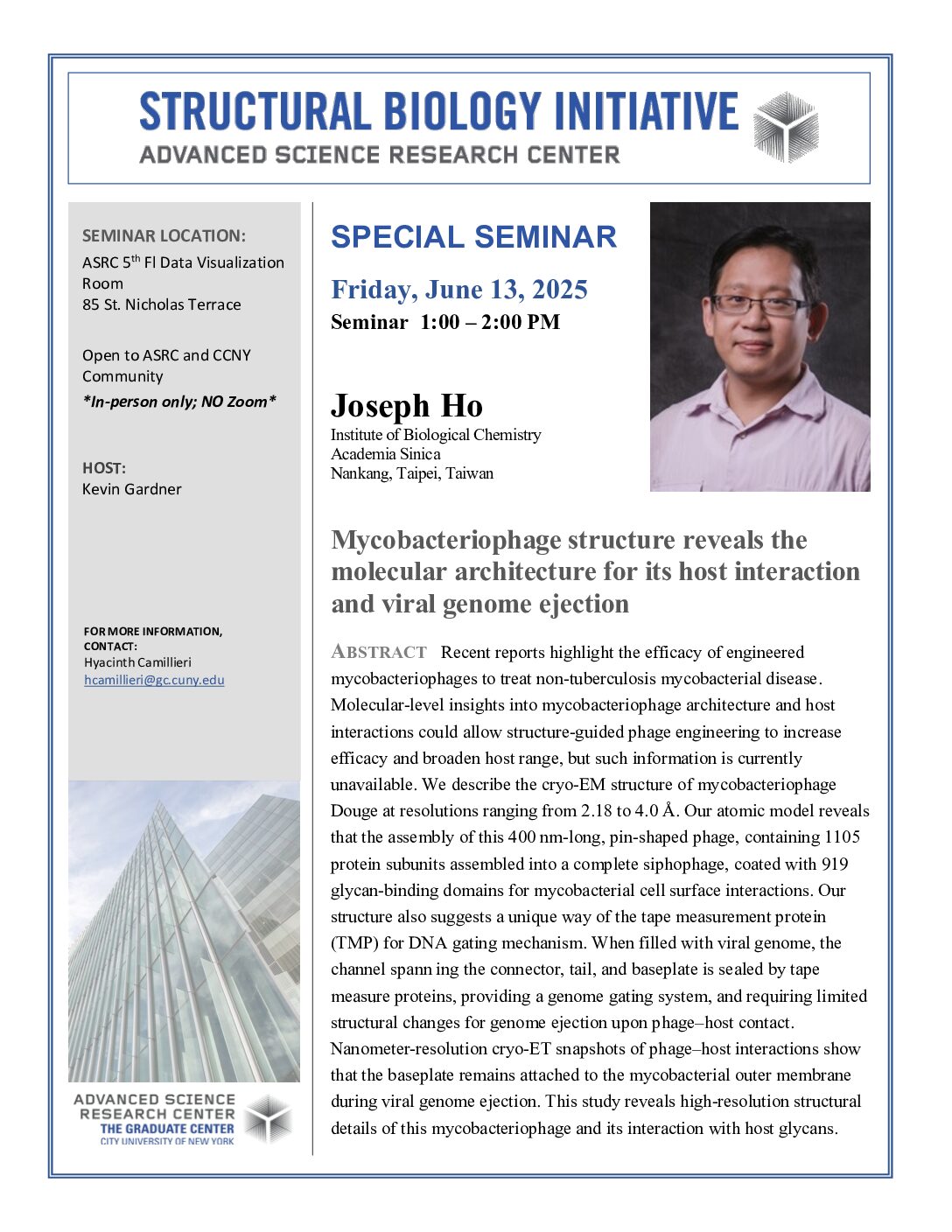
Mycobacteriophage structure reveals the molecular architecture for its host interaction and viral genome ejection Recent reports highlight the efficacy of engineered mycobacteriophages to treat non-tuberculosis mycobacterial disease. Molecular-level insights into mycobacteriophage architecture and host interactions could allow structure-guided phage engineering to increase efficacy and broaden host range, but such information is currently unavailable. We describe

You're invited! Join us at the CUNY ASRC from June 16 to June 20 for the 13th ETOPIM international conference on elastic, electrical, transport, and optical properties of inhomogeneous media. The conference, hosted by the Photonics Initiative, aims to discuss experimental and theoretical developments in the field of inhomogeneous materials and metamaterials. The week-long event

Accelerating toward water security: how can we use citizen science and innovative low-cost sensor technologies? A world-wide marathon relay of ideas and recommendations to empower community-based water research. This event will take place over a 24-hour period. The relay will start at the CUNY ASRC at 12 p.m. on June 16, 2025. Register to attend
Dr. Wencan Jin, Auburn University Hybrid magnon-phonon cavity realized in a magnetoelastic heterostructure Abstract - Strong coupling between two quantized excitations leads to a hybridized state that allows to explore new phenomena and technologies. Phononic excitations, such as long-lived, high-overtone acoustic waves, can host many well-isolated modes at the same frequency. Meanwhile, magnetic excitations or magnons

Any students or early-career researchers interested in automating photonics experiments with Python? Our Photonics Initiative is hosting a four‑day workshop from July 7 to July 10 that will teach you how to automate optical experiments using Python. LIMITED SEATS AVAILABLE. Apply by June 15! Learn more and register to attend at bit.ly/3ZSf9YT Download the Flyer
This is a two-part Photonics Initiative Seminar, the first part describing information in light structure and the second part about structuring light in the lab. Dr. Eileen Otte Beyond the Beam: The Potential of Light’s Structure When light interacts with a medium, its spatial structure – including amplitude, phase, polarization, angular momenta, and more –

Join us for a special talk featuring Dr. Concetta Tomaino, Executive Director and Founder of the Institute for Music and Neurologic Function. Attend in person or join on Zoom. Please refer to event flyer for details.

Calling all Harlem Residents and students! Attend our job fair on Friday, July 18, 2025, from 11 a.m. to 3 p.m. to learn about local career opportunities and job training programs. RSVP at https://bit.ly/40jkjxe Join us at the CUNY ASRC to meet representatives from City and Government-related organizations, non-profits, educational programs, employment certification programs, and
Dr. Mohammed Th. Hassan, University of Arizona From Attosecond Electron Microscopy Imaging To Petahertz Quantum Photonics Abstract - We present groundbreaking advancements in ultrafast electron microscopy, quantum current tunneling in graphene, and ultrafast squeezed light, establishing transformative capabilities in attosecond science and technology1,2. First, we achieved attosecond temporal resolution in a transmission electron microscope by

Join us on Monday, August 4th for Anfal Abuhilal's Dissertation Defense Seminar! Attend in person at the CUNY ASRC Auditorium or via Zoom. Please refer to the flyer for more details.

Dr. Sergio Carbajo, UCLA Quantum Filmmaking: Capturing and Controlling Ultrafast Dynamics from Atoms to Applications Abstract – The ability to visualize and control quantum systems in action—spanning attosecond electron dynamics to functional protein motions—holds transformative potential for science and technology. Over the past decade, advances in ultrafast photon and electron sources, such as optical frequency
Dr. Yohannes Abate, The University of Georgia There’s Plenty of Interaction at the Bottom Abstract – The formulation of quantum mechanics in the late 1920s forever changed physics. More recently, quantum materials have emerged, presenting fascinating opportunities in condensed matter physics. Elementary interactions among elements such as photons, electrons, phonons, and other quasiparticles in quantum
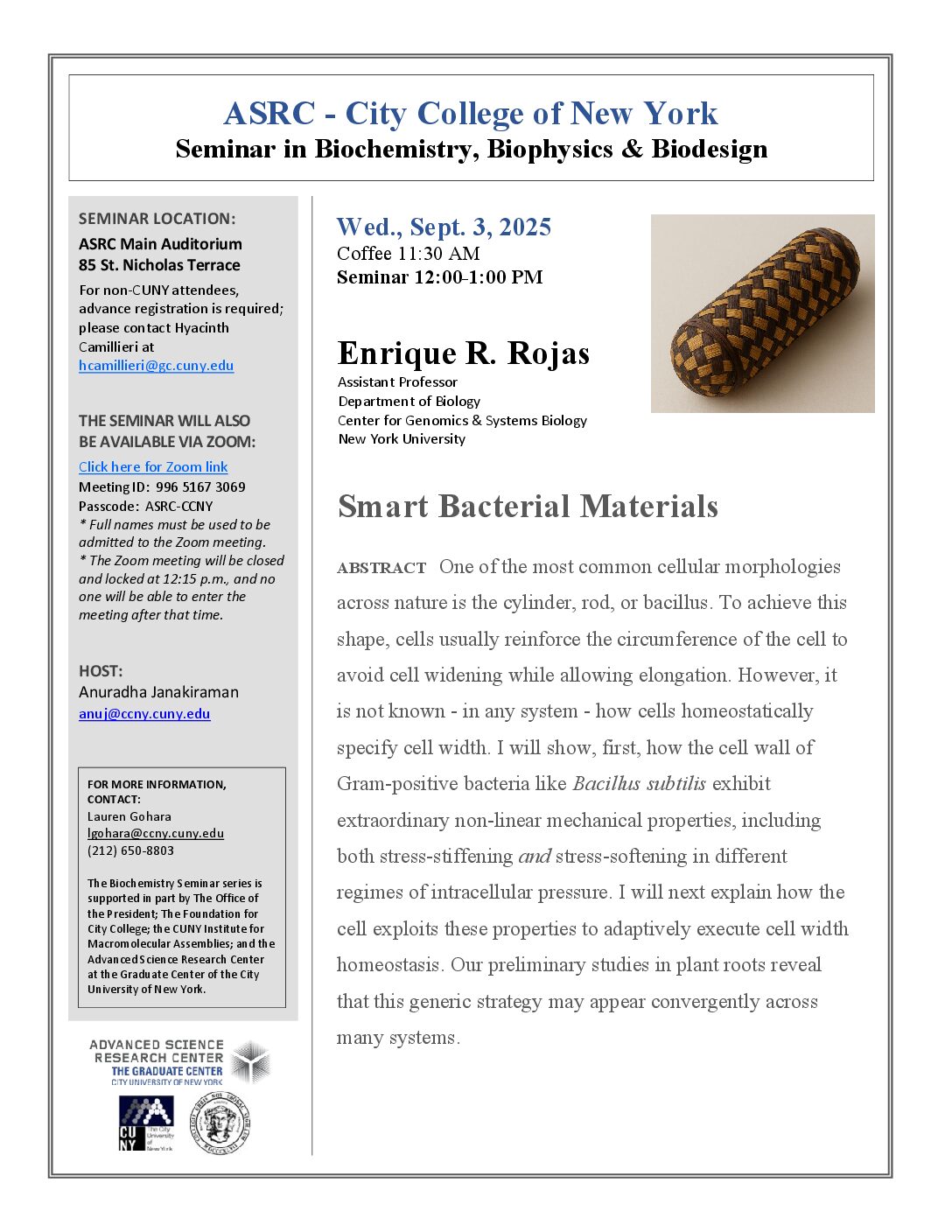
Smart Bacterial Materials One of the most common cellular morphologies across nature is the cylinder, rod, or bacillus. To achieve this shape, cells usually reinforce the circumference of the cell to avoid cell widening while allowing elongation. However, it is not known - in any system - how cells homeostatically specify cell width. I will
Publishing in Structural Biology, Biochemistry, and Biophysics Scientific progress and publishing are fundamentally intertwined. Therefore, scientists must master both the pipette and the pen. Antonio Cerullo (CUNY ASRC – Ph.D. in Biochemistry '23) shares his professional and personal experiences transitioning from bench science to an editorial career. Points of discussion include, but are not limited

Abstract: Peptides provide a powerful framework forexploring molecular function, offering routes to biomaterials, nanostructures, and bioactive assemblies. However, their immense design space makes systematic exploration a daunting task. In this talk, I will describe our efforts to merge computational chemistry with artificial intelligence to accelerate peptide discovery. I will begin with our studies on tripeptides

Join us for a special talk featuring Dr. Ioana Carcea, Assistant Professor of Pharmacology, Physiology and Neuroscience, Rutgers New Jersey Medical School. Attend in person or join on Zoom. Please refer to event flyer for details.
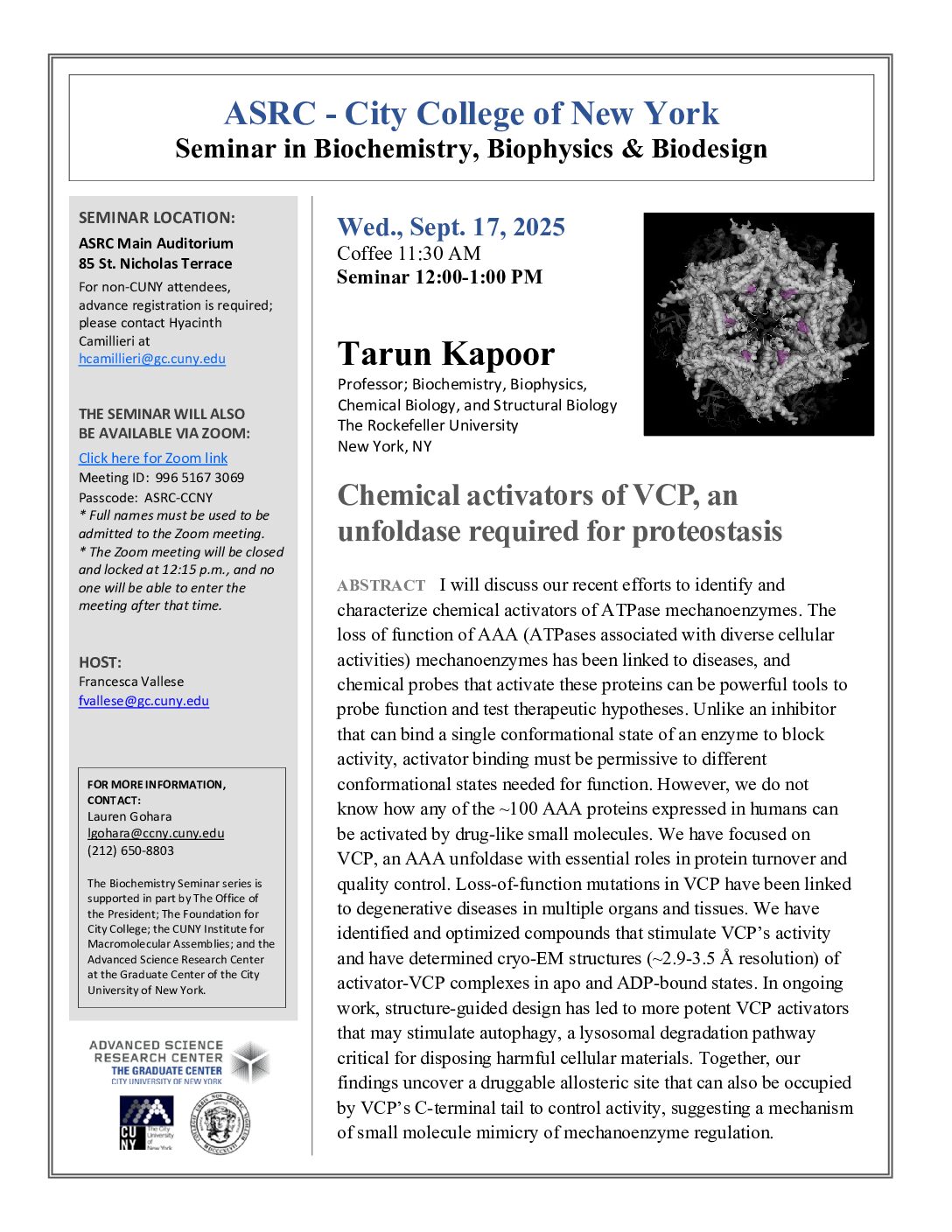
Chemical activators of VCP, an unfoldase required for proteostasis I will discuss our recent efforts to identify and characterize chemical activators of ATPase mechanoenzymes. The loss of function of AAA (ATPases associated with diverse cellular activities) mechanoenzymes has been linked to diseases, and chemical probes that activate these proteins can be powerful tools to probe
The 3rd Annual NanoBioNYC Symposium will highlight CUNY student and faculty researchers making advancements in Bio-Inspired Nanoscience. This all-day, in-person event will feature talks from NanoBioNYC mentors and fellows exploring diverse topics from Green Materials and Energy Solutions to Cross-Cutting Computational Research. Join us to learn about cutting-edge developments and connect with groundbreakers in these dynamic fields. NanoBioNYC aims

Join us for a special talk featuring Dr. Ella Doron-Mandel, Associate Research Scientist, Biological Sciences, Columbia University. Attend in person or join us on Zoom! Meeting ID: 84274566846 Passcode: 474355. Please refer to the event flyer for more details.
Dr. Giulio Cerullo, Polytechnic University of Milan 2D semiconductors: a platform for ultrafast photonics Abstract - Layered materials consist of crystalline sheets with strong in-plane covalent bonds and weak van der Waals out-of-plane interactions. These materials can be easily exfoliated to a single layer, obtaining 2D materials with radically novel physico-chemical characteristics compared to their bulk
Dr. Junichiro Kono, Rice University Cavity-Dressed Quantum Matter Abstract - There has been a growing realization that the properties of a material can be modified just by placing it in an optical cavity. The quantum vacuum fields surrounding the material inside the cavity can cause nonintuitive modifications of electronic states through ultrastrong vacuum–matter coupling, producing a

Register HERE! Space is limited. Abstract: Molecular self-assembly based on coordination chemistry has made an explosive development in recent years. Over the last >30 years, we have been showing that the simple combination of transition-metal’s geometry (typically, a 90 degree coordination angle of Pd(II) center) with organic bridging ligands gives rise to the quantitative self-assembly
Mapping and modeling the impact of protein biochemical variation on growth rate phenotype Individual proteins can be expressed, purified, and exquisitely characterized in terms of their biochemical and biophysical parameters in vitro. However, the quantitative relationship between these parameters and complex phenotypes like growth remains mysterious. For example, what values of protein abundance, thermal stability

Join us for a special talk featuring Dr. Antonio Aubry, Instructor, Department of Neuroscience, Icahn School of Medicine at Mount Sinai. Attend in person or join us on Zoom! Please refer to the event flyer for more details.
Register HERE! Space is limited. About: Strategic challenges like accelerating climate change, energy transition, urbanization, adoption of artificial intelligence, and the need for global pandemic warning are all growing in urgency, in complexity, and in their need for clear and direct communication between researchers and decision-makers. In a time of increasing skepticism on science and
Dynamic RNA-protein interactions in A-to-I editing and biomolecular condensates in non- coding RNA pathways We employ integrative structural biology, combining solution NMR with complementary techniques and molecular dynamics to study the dynamics of RNAs and RNA-protein interactions in RNA processing pathways, including alternative splicing regulation and non- coding RNA pathways. The structural understanding is a

Join us for a special talk featuring Dr. J. Wren Kim, Assistant Project Scientist, Molecular and Cell Biology, UC Berkeley. Attend in person or join us on Zoom! Please refer to the event flyer for more details.
Species Recognition in Brood Parasitic Birds and Their Hosts Only 1% of avian species are obligate brood parasitic, laying their eggs in nests of other species. Yet they impact nearly 20% of bird species that serve as hosts. How do young parasites recognize their own species and why do some, but not other, hosts accept
Dr. Maria Antonietta Loi, University of Groningen COLLOIDAL QUANTUM DOT SUPERLATTICES: TOWARDS OPTOELETRONIC METAMATERIALS Abstract – 3D superlattices made of colloidal quantum dots are a promising candidate for the next generation of optoelectronic devices as they are expected to exhibit a unique combination of tunable optical properties and coherent electrical transport through minibands. In my

Don't be afraid of science; join us for Family Science Night at the CUNY ASRC. We will have fun science activities for all ages, braaiiinns, crystals, lasers, and more! Plus, a tour with trick-or-treating on every floor. See you on October 28 from 4:30 p.m. to 6:30 p.m. RSVP today at https://bit.ly/4pWKPrD Download and share
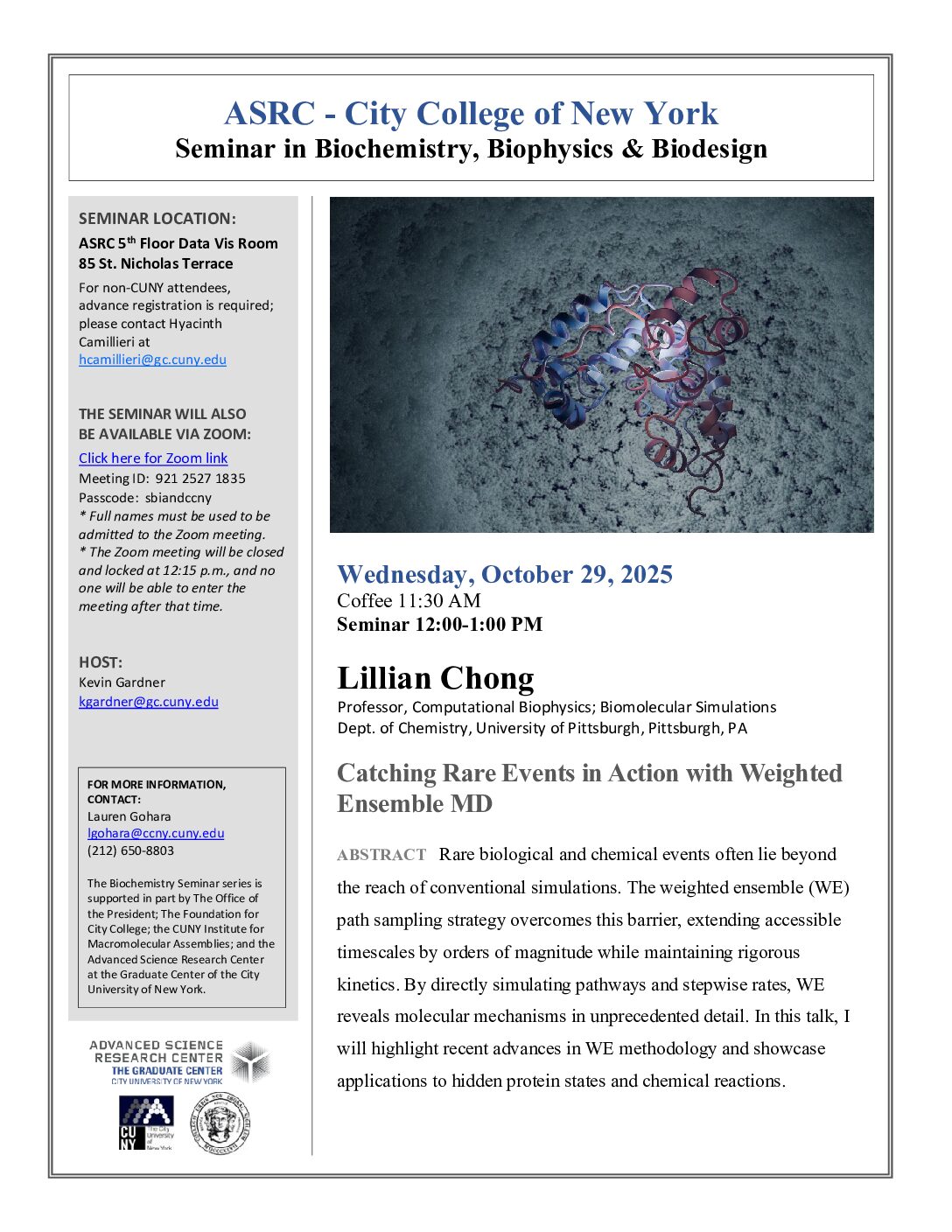
Catching Rare Events in Action with Weighted Ensemble MD Rare biological and chemical events often lie beyond the reach of conventional simulations. The weighted ensemble (WE) path sampling strategy overcomes this barrier, extending accessible timescales by orders of magnitude while maintaining rigorous kinetics. By directly simulating pathways and stepwise rates, WE reveals molecular mechanisms in
Correlation length of radiation-induced errors in superconducting devices Abstract - Superconducting quantum electronics are a promising avenue towards fully fledged quantum computation. They are currently limited by their short coherence times, stemming from their sensitivity to perturbations, which include... very tiny earthquakes! I will show recent work where we measured six superconducting resonators using nanosecond-resolution
Structural Biology: Past, Present and Future Between ~1950 and ~2010, X-ray crystallography was the experimental technique of choice for determining the structures of biological macromolecules at atomic resolution. It is no longer. Around 2012, following a long gestation, electron microscopy emerged as a serious competitor, and about a decade later, AI-based computational methods were developed

We’re thrilled to announce the upcoming Research Showcase Day at the City University of New York’s Advanced Science Research Center Nanofabrication Facility. We invite all members of our state-of-the-art, shared-user cleanroom facility to come together for an annual day of connection, collaboration, celebration, and learning! This event will feature invited talks by prominent researchers from CUNY,

Join us for The Brain and The Environment Family Night at the CUNY ASRC on Nov. 18 from 4:30 to 6:30 p.m. This fun and educational evening will explore how the environment affects the brain through hands-on science activities for all ages. Guests will have the opportunity to see live EEG demonstrations where you can
Dynamics and Evolution of Glutamate Transporters Glutamate transporters in the human brain remove the neurotransmitter glutamate from the synaptic cleft, enabling repeated cycles of neurotransmission and preventing glutamate-induced excitotoxicity. These transporters are ancient proteins that, in prokaryotes, serve to import amino acids as nutrient sources from the environment. Across evolution, glutamate transporters have diversified to
Abstract: Materials Synthesis Using Low Temperature Plasmas – from energy storage to superconductivity Plasmas comprise of a quasi-neutral assembly of gaseous ions and electrons which exist at high temperatures (fusion) or low pressure (sputtering, fluorescent lamps etc.), has been the workhorse for manufacturing semiconductor materials in the last 50 years. This talk will introduce a
Dr. Siddhartha Ghosh, Northeastern University Acoustic wave microsystems for chip-scale RF and optical signal processing Abstract: Acoustic waves are well-suited for a variety of signal processing applications including RF filtering and optical modulation. Advances in material and fabrication capabilities have enabled the demonstration of chip-scale subsystems in which phonons can exhibit strong interactions with a
Dr. Matthew White, University of Vermont Host: Matthew Sfeir Metal-dielectric photonic crystal organic light emitting diodes: band structure, defect engineering, and topological states. Abstract: We investigate the band structure of metal-dielectric photonic crystals comprising stacked organic semiconductor microcavities with silver metal mirrors. Employing organic semiconductor dielectric layers allows the unit cells in the crystal to
Structure, Dynamics and Assembly of Human Antimicrobial Protein Antimicrobial proteins in humans sequester zinc to curtail infection. Although well established as key components of the immune response, the mechanisms of action of these proteins, such as S100A12, in the inflammatory pathway is not well understood. In this talk, I will present our work on biophysical
Dr. Igor Aharonovich, University of Technology Sydney Quantum Technologies with Hexagonal Boron Nitride Abstract - Engineering robust, solid‐state quantum systems is amongst the most pressing challenges to realise scalable quantum photonic circuitry. In recent years, quantum emitters in hexagonal boron nitride (hBN) have emerged as fascinating candidates for realisation of room temperature quantum technologies with

Michelle Monje, MD, PhD is a physician-scientist, neuroscientist, and neurooncologist at Stanford University, where she has developed new treatments for brain cancer since 2011. Her interests are neurodevelopment, pediatric gliogenesis, chemobrain, and molecular and cellular (including glial) neurobiology. Her accomplishments are too many to count. She has published numerous high-impact papers (mostly in Cell, Nature, and

Join us on Tuesday, Dec. 16 to reconnect and learn all about what's happening at the CUNY ASRC! All are welcome — especially former and current students, interns, summer researchers, and their friends and family. The night will include fun science activities for all ages and an updated tour of the the CUNY ASRC's state-of-the-art
Get ready for a hands-on exploration of the single cell gene expression analysis journey! This interactive boot camp takes you from experimental design to data interpretation using real single-cell datasets - including the possibility to work with your own data. Data processing with 10x Cloud Using Cell Ranger Dive into Loupe Browser Explore developmental trajectories

Learn how academics can promote their research and make useful connections on Bluesky.

"Harnessing dynamic covalent chemistry for reprocessable elastomers" Dr. Luke A. Baldwin, Research Chemist, Air Force Research Labs (AFRL) Abstract: Covalent adaptable networks (CANs) are a promising route to develop next-generation materials with enhanced reprocessability and repairability. In this presentation, I will present our recent work on oligosiloxane-based epoxy-thiol CANs designed to manufacture self-healing elastomers. By

Anna Orr, Ph.D., Associate Professor of Neuroscience at Weill Cornell Medical College, will give a talk titled "Astrocytes in Neurocognitive Function and Dementia Pathogenesis". Join in person at the ASRC auditorium, or Zoom (Meeting ID: 869 8476 8406 Passcode: 743619). View the abstract at https://bit.ly/49sUOO2
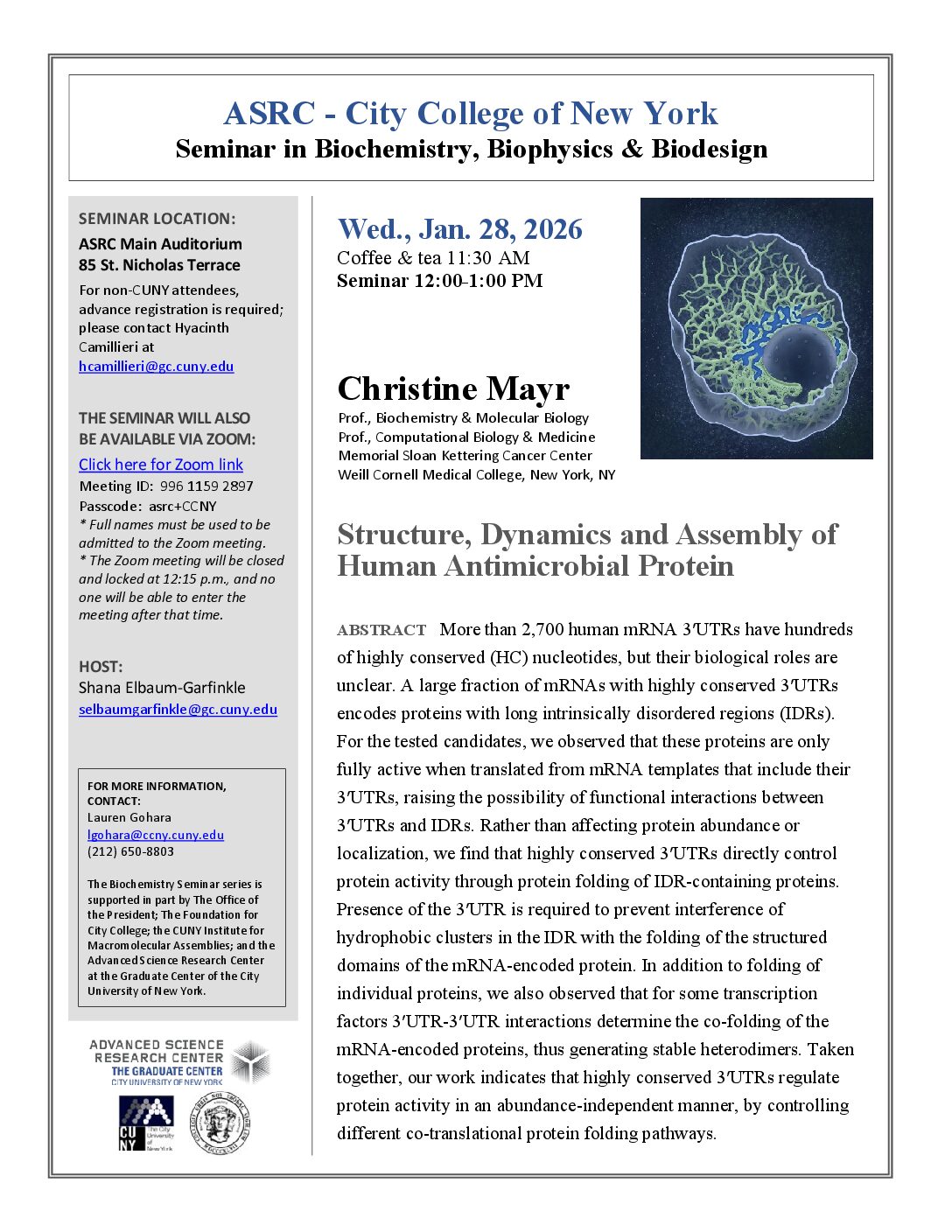
Structure, Dynamics and Assembly of Human Antimicrobial Protein More than 2,700 human mRNA 3′UTRs have hundreds of highly conserved (HC) nucleotides, but their biological roles are unclear. A large fraction of mRNAs with highly conserved 3′UTRs encodes proteins with long intrinsically disordered regions (IDRs). For the tested candidates, we observed that these proteins are only

Join us for a practical, beginner-friendly workshop on how academics can use LinkedIn to showcase their expertise, expand professional networks, and increase the visibility of their research and teaching. This session will cover optimizing profiles for academic and public-facing work, understanding how the platform’s algorithm works, and crafting posts that highlight publications, projects, events, and career milestones
Dr. Rainer Hillenbrand, CIC nanoGUNE Polaritonic Insights from Near-field Nanoscopy: Flat-Band Ultrastrong Coupling and Plasmons in Gold Monolayers Abstract - Scattering-type scanning near-field optical microscopy (s-SNOM) and nanoscale Fourier-transform infrared (nano-FTIR) spectroscopy probe light–matter interactions at the nanoscale using the sharp tip an atomic force microscope (AFM) as an optical antenna. The illuminated tip generates

Patrizia Casaccia, M.D., Ph.D., Einstein Professor of Biochemistry, Biology and Neuroscience of the CUNY Graduate Center, Founding Director of ASRC Neuroscience Initiative, will give a talk titled "A multiscale approach to myelination and myelin-related disorders". Join in person at the ASRC Data Viz Room, or via Zoom (Meeting ID 842 0580 1471, Passcode 608719).
Dr. Itai Cohen, Cornell University Electronically Integrated Autonomous Microscopic Robots Abstract - What would we be able to do if we could build electronically integrated machines the at a scale of 100 microns? At this scale, semiconductor devices are small enough that we could put the computational power of the spaceship Voyager onto a machine

Talk Topic: Distributed AI Agents for Scientific Discovery and Real-World Decision-Making Speaker Bio: Saptarashmi Bandyopadhyay is a Tenure-Track Assistant Professor of Computer Science at the City University of New York at the City College of New York and the Graduate Center. He graduated with his Ph.D. in Computer Science at the University of Maryland, College
How a novel class of protein misfolding is associated with changes in enzyme activity, proteostasis, aging, and disease Utilizing simulations, experimental data, and data science, my lab predicted the existence of a previously undiscovered, widespread class of protein misfolding that can result in soluble, loss-of-function states, some of which evade the proteostasis network. This class
Dr. Javier Garcia De Abajo (ICREA) Title: When free electrons meet light: Quantum interactions at the nanoscale Abstract: At the intersection of electron microscopy and attosecond science, ultrafast electron microscopy has emerged as a research frontier aiming to investigate material excitations with an unprecedented combination of spatiotemporal resolution, while also granting us access to quantum
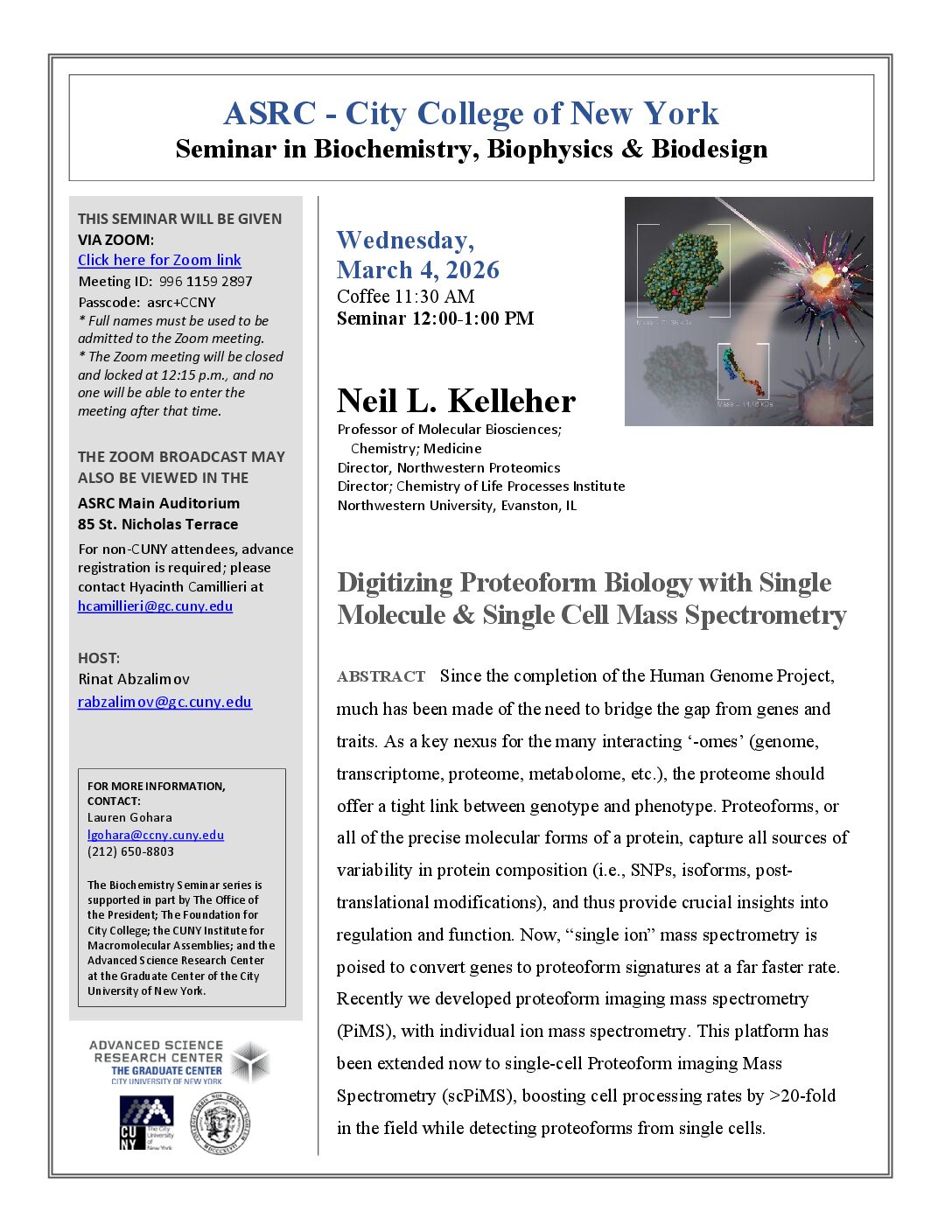
Digitizing Proteoform Biology with Single Molecule & Single Cell Mass Spectrometry Since the completion of the Human Genome Project, much has been made of the need to bridge the gap from genes and traits. As a key nexus for the many interacting ‘-omes’ (genome, transcriptome, proteome, metabolome, etc.), the proteome should offer a tight link

Edward Vessel, Ph.D., Eugene Surowitz Assistant Professor of Psychology of The City College of New York, will give a talk titled "An interactionist approach to the neuroscience of aesthetics". Join in person at the ASRC auditorium, or Zoom (Meeting ID: 893 5219 3004 Passcode: 026235). View the abstract here.
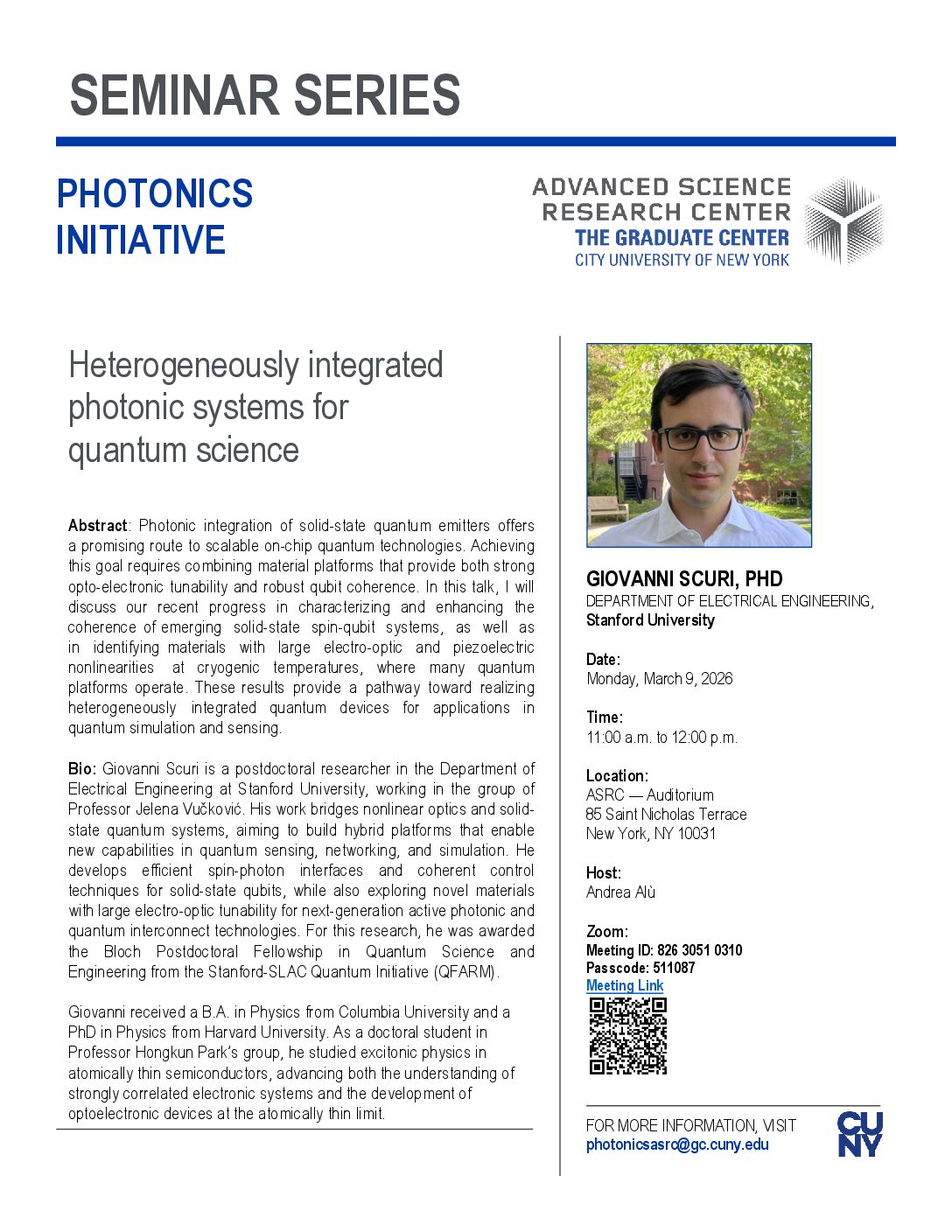
Heterogeneously integrated photonic systems for quantum science Photonic integration of solid-state quantum emitters offers a promising route to scalable on-chip quantum technologies. Achieving this goal requires combining material platforms that provide both strong opto-electronic tunability and robust qubit coherence. In this talk, I will discuss our recent progress in characterizing and enhancing the coherence of
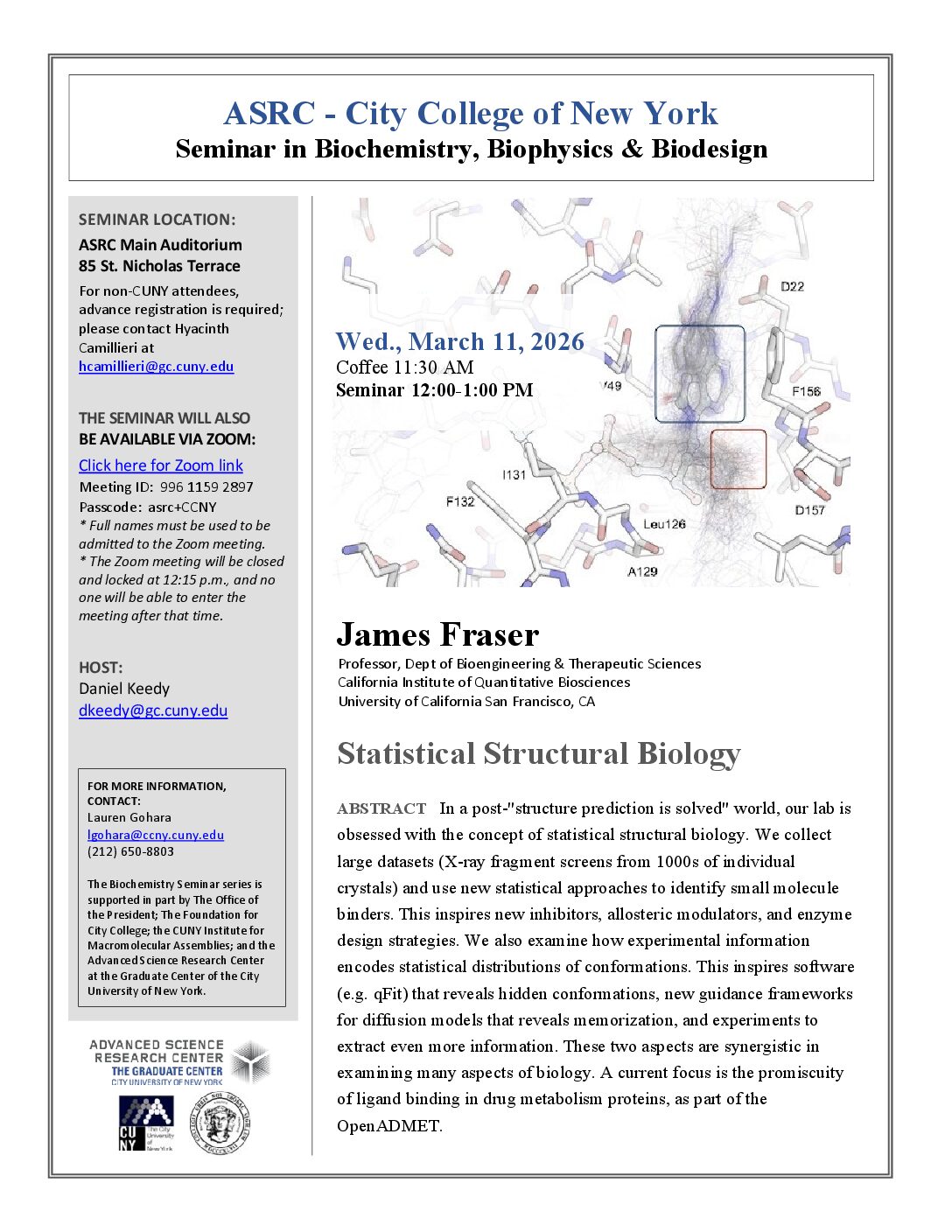
Statistical Structural Biology In a post-"structure prediction is solved" world, our lab is obsessed with the concept of statistical structural biology. We collect large datasets (X-ray fragment screens from 1000s of individual crystals) and use new statistical approaches to identify small molecule binders. This inspires new inhibitors, allosteric modulators, and enzyme design strategies. We also
Wave Engineering with Active Metamaterials: Nonreciprocity, Bandwidth Enhancement, and Analog Computing Modern technological systems are subject to escalating demands for miniaturization, speed, adaptability, and energy efficiency. Conventional design approaches are increasingly approaching fundamental performance limits. Overcoming these constraints requires adopting novel material platforms that are not subject to the constraints of conventional materials. To this

Talk Title: Peptide Based Liquid-Liquid Coacervates for Biosensing, Degradation Resistance, and as Biofoundries Dr. Sebastián Díaz, Center for Bio/Molecular Science and Engineering at the U.S. Naval Research Laboratory Abstract: Imitating nature, we combine various biotechnologies, e.g. peptide-based liquid-liquid phase separations and DNA nanostructures, to access advanced functionalities. Peptide-based liquid-liquid phase separated domains, also known

Metasurfaces, subwavelength optical interfaces that control the amplitude, phase, and polarization of light, have transformed flat optics, yet extending this control from static wavefront shaping to dynamic, real-time manipulation remains a central challenge. In this talk, scientist Prasad P. Iyer will show how his lab's research addresses this challenge across increasing levels of complexity: from

Wave-domain programmability emerges as technological enabler of next-generation microwave systems for wireless communications, sensing, and wave-domain computing. In this talk, Professor Philipp Del Hougne will describe his lab's recent progress toward establishing a universal framework for controlling waves in extremely tunable microwave systems. Join us in person at the CUNY ASRC or remotely on Monday,
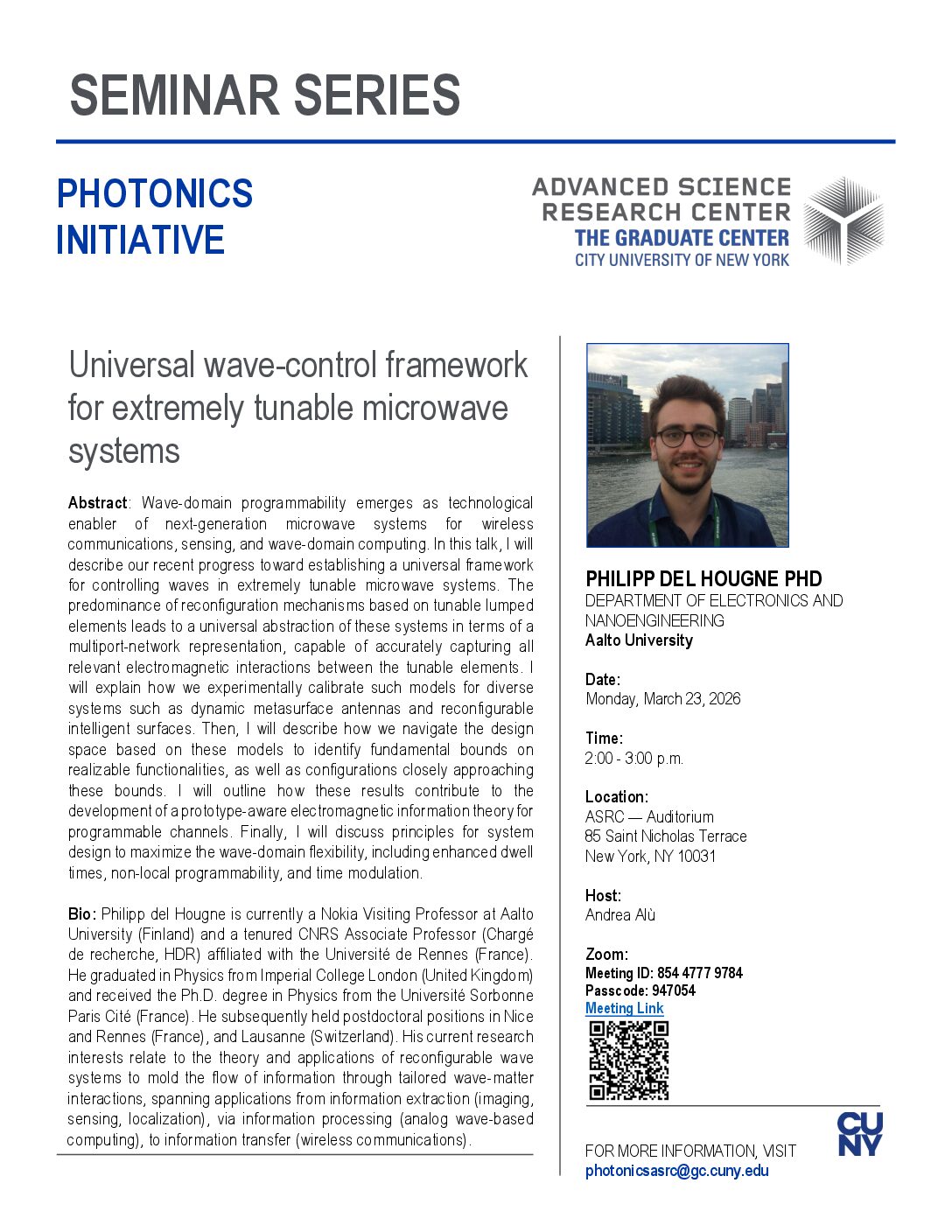
Universal wave-control framework for extremely tunable microwave systems Wave-domain programmability emerges as technological enabler of next-generation microwave systems for wireless communications, sensing, and wave-domain computing. In this talk, I will describe our recent progress toward establishing a universal framework for controlling waves in extremely tunable microwave systems. The predominance of reconfiguration mechanisms based on tunable
Join us on Tuesday, March 24th, for Jacquelyn Tomaio's Dissertation Defense Seminar titled "Aging Drives Selective Vulnerability of Dopamine–Glutamate Projections to the Lateral Entorhinal Cortex, Weakening Dopamine Release and Novelty Discrimination"! Attend in person at the CUNY ASRC Auditorium or via Zoom (Meeting ID: 839 0024 9544 Passcode: 452588). Please refer to the flyer for
Speaker: Ventsislav K. Valev Title: Polarization-Resolved Nonlinear Optical Activity in Scattering Abstract: Nonlinear optical activity in scattered light, first predicted in 1979, has recently become experimentally accessible. The original theory encompassed both elastic scattering and its inelastic counterpart, hyper-Raman. In elastic scattering, depending on the ratio between particle size and wavelength, light scattering is typically classified
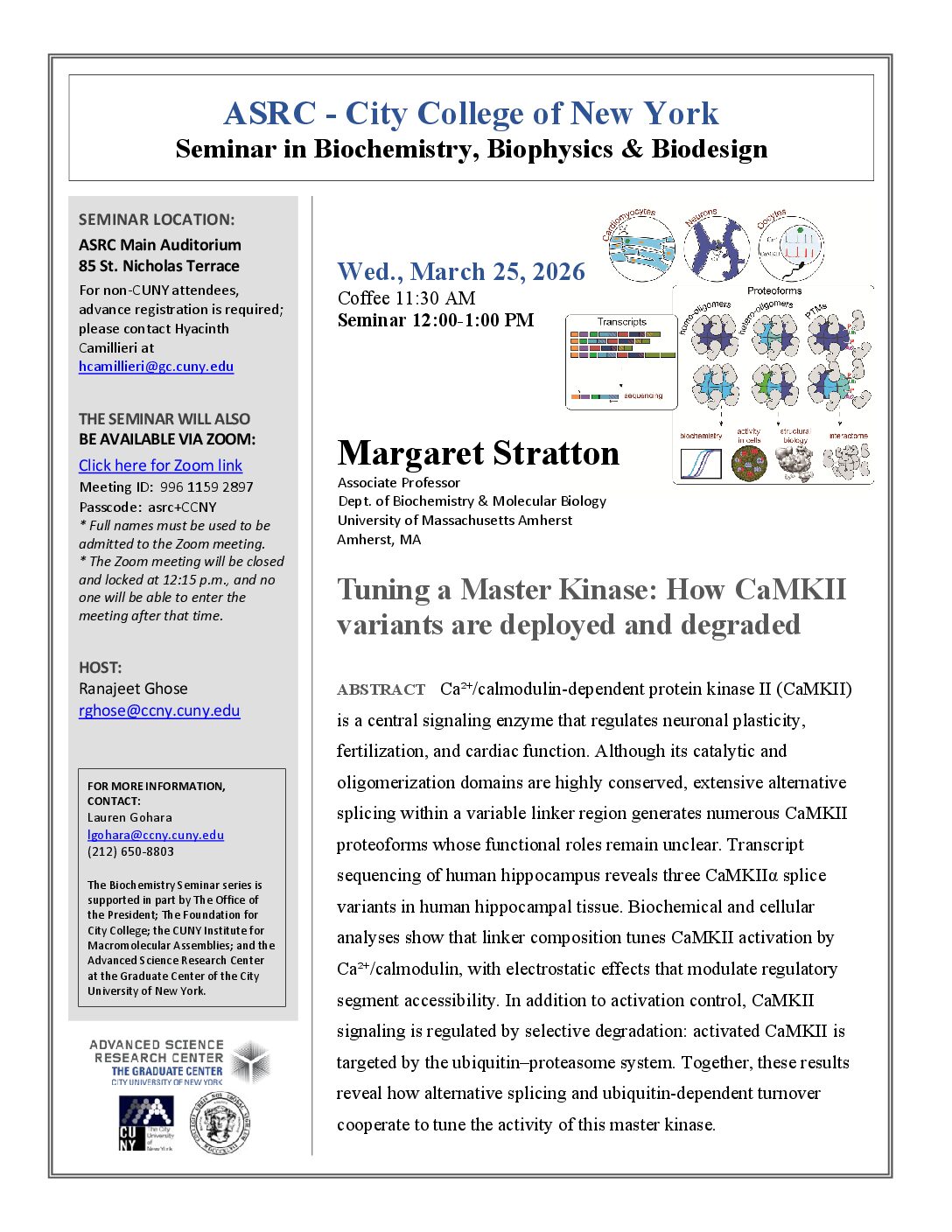
Tuning a Master Kinase: How CaMKII variants are deployed and degraded Ca²⁺/calmodulin-dependent protein kinase II (CaMKII) is a central signaling enzyme that regulates neuronal plasticity, fertilization, and cardiac function. Although its catalytic and oligomerization domains are highly conserved, extensive alternative splicing within a variable linker region generates numerous CaMKII proteoforms whose functional roles remain unclear.
Join us on Tuesday, March 31st, for Anna Flury's Dissertation Defense Seminar titled "Elucidating the Mechanisms of Microglia-Mediated Neurodegeneration in Alzheimer’s Disease"! Attend in person at the CUNY ASRC Auditorium or via Zoom (Meeting ID: 829 1434 2008 Passcode: 351468). Please refer to the flyer and the thesis abstract for more details.
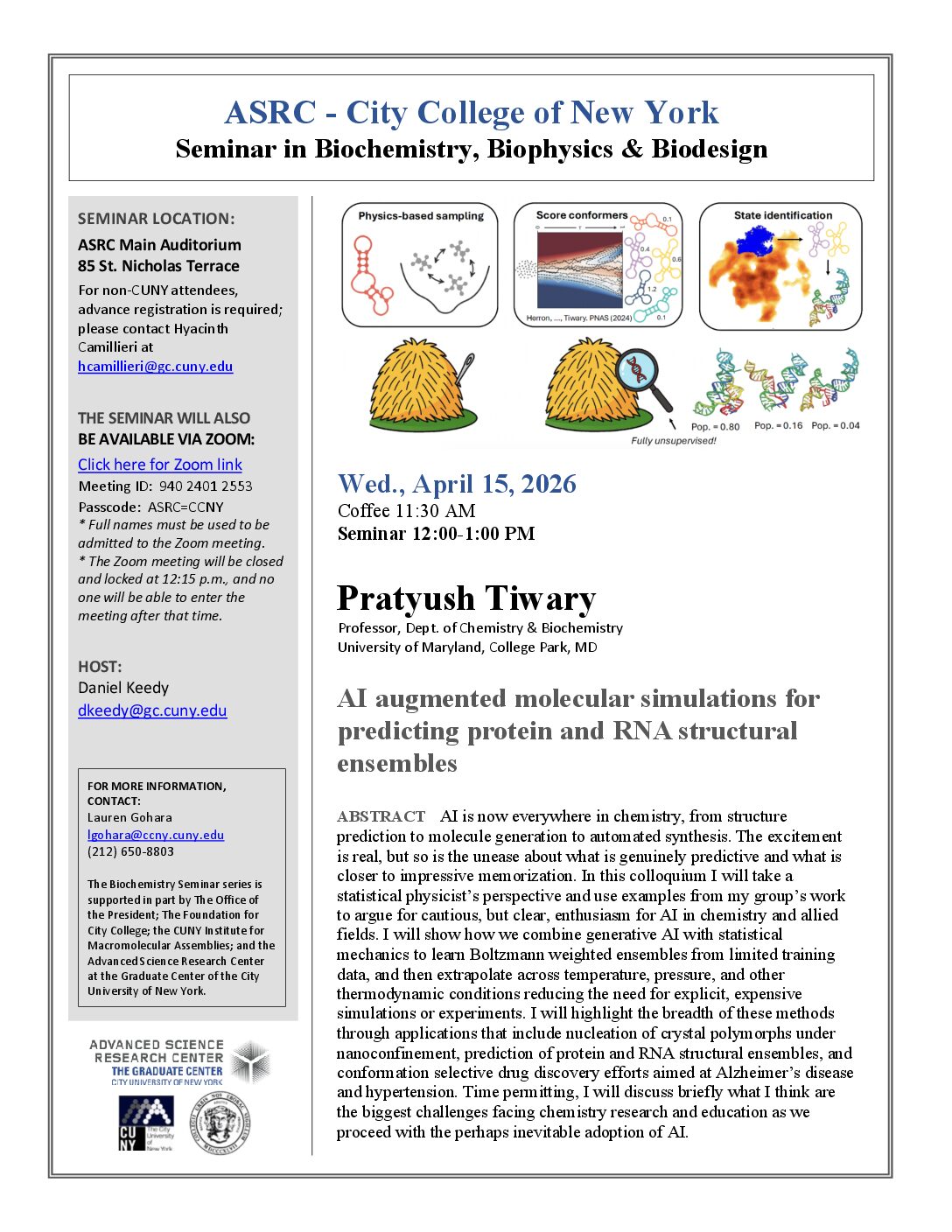
AI augmented molecular simulations for predicting protein and RNA structural ensembles AI is now everywhere in chemistry, from structure prediction to molecule generation to automated synthesis. The excitement is real, but so is the unease about what is genuinely predictive and what is closer to impressive memorization. In this colloquium I will take a statistical
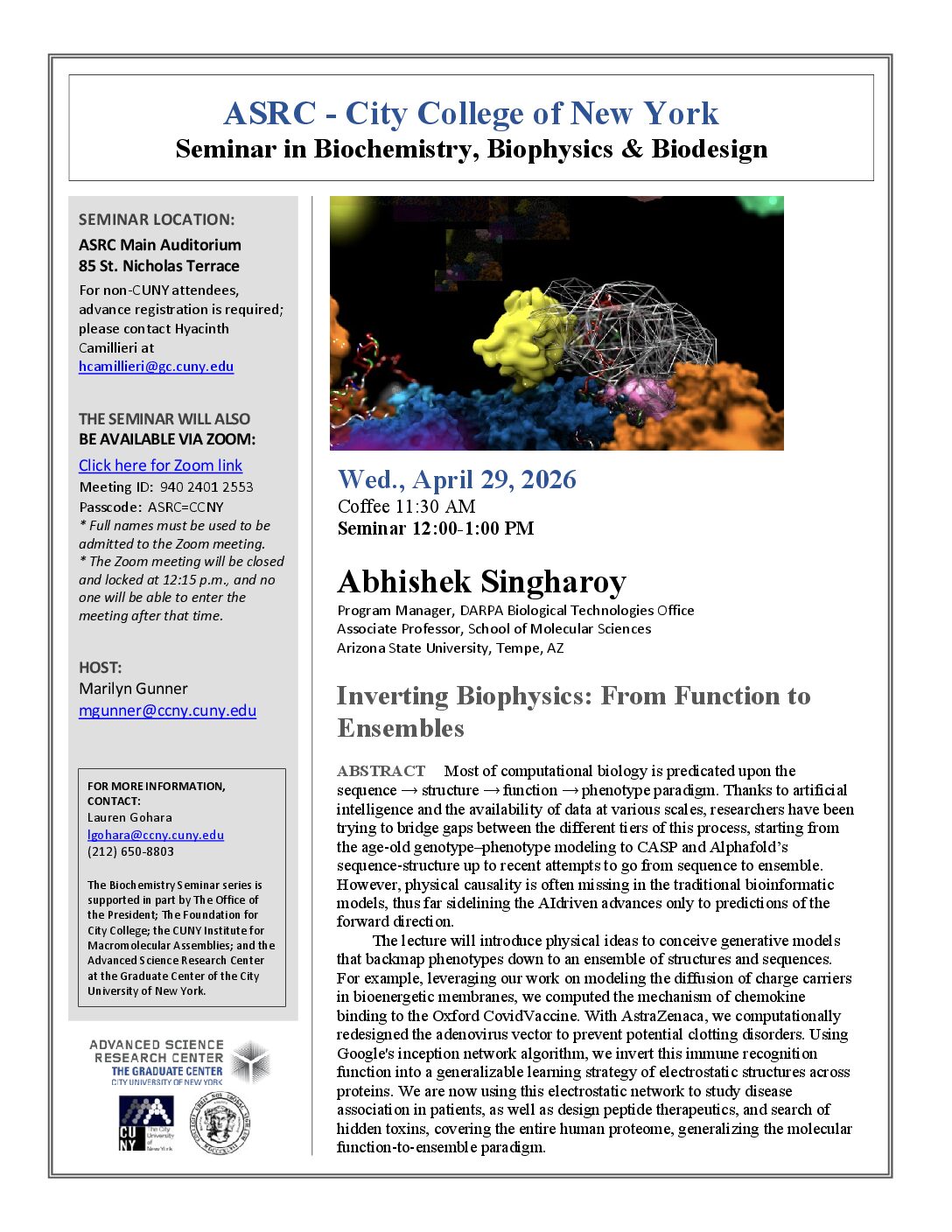
Inverting Biophysics: From Function to Ensembles Most of computational biology is predicated upon the sequence → structure → function → phenotype paradigm. Thanks to artificial intelligence and the availability of data at various scales, researchers have been trying to bridge gaps between the different tiers of this process, starting from the age-old genotype–phenotype modeling to

Mike Beckstead, Ph.D., Professor and Hille Family Foundation Chair in Neurodegenerative Disease Research, Aging & Metabolism Research Program, Oklahoma Medical Research Foundation, will give a talk titled "Hyperexcitability of ventral tegmental area dopamine neurons in mouse Alzheimer’s models". Join in person at the ASRC auditorium, or Zoom (Meeting ID: 829 2182 1802 Passcode: 491508). View